A Bitcoin-Built Mobile Network Is Redefining Privacy and Security for Global Travelers
Silent.Link offers eSIM-only service to protect Bitcoiners from SIM swaps, roaming fees and data surveillance worldwide.
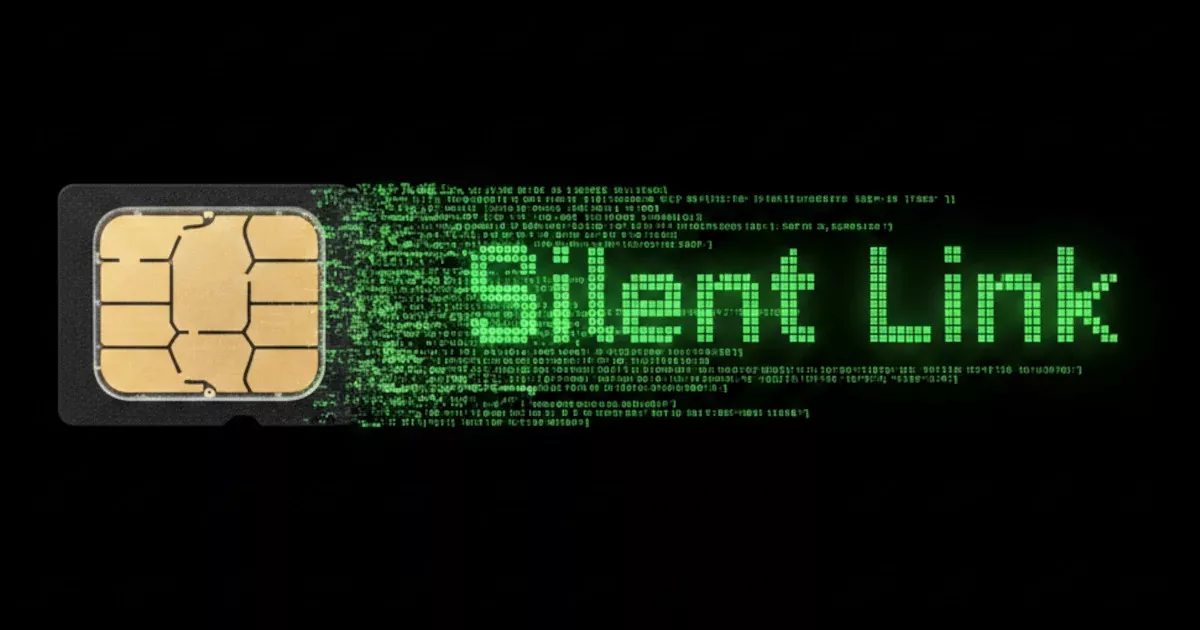
For years, Bitcoiners traveling across borders have faced a paradox. While they operate within a censorship-resistant financial network, their mobile connectivity often remains tethered to legacy telecom systems vulnerable to surveillance, SIM-swap attacks, and roaming overcharges. Silent.Link, a Bitcoin-native mobile data and SMS provider, is positioning itself as a structural solution to that contradiction.
Founded during the COVID-19 lockdowns, the company emerged from conversations within the Bitcoin community and inspiration drawn from voices such as cypherpunk advocate Matt Odell. One of its founding members, speaking anonymously, described the project as a direct response to a practical need: reliable mobile data and SMS authentication without exposing personal information or relying on fragile carrier infrastructure.
Silent.Link operates as an eSIM-only service, eliminating physical SIM cards entirely. The model allows users to purchase global data access and inbound SMS functionality without submitting personal details, even an email address. According to the company, “not even the local data carrier knows your phone number.” That design choice is not marketing flair; it is a deliberate attempt to remove centralized data honeypots that often become prime targets for hackers and government requests.
SIM-swap attacks have long plagued cryptocurrency holders. By convincing telecom providers to reassign a victim’s phone number, attackers can intercept two-factor authentication codes and compromise exchange or banking accounts. Silent.Link’s authentication model relies on a unique recovery link delivered at purchase—stored similarly to a Bitcoin wallet seed phrase. Because no identity profile is attached to the service, there is no conventional account to hijack. In practice, this architecture neutralizes one of the most common attack vectors in crypto security.
Beyond cybersecurity, the company addresses another friction point for frequent travelers: roaming complexity. Instead of forcing users to purchase local SIM cards or negotiate expensive international plans, Silent.Link automatically connects to local data carriers while maintaining the same phone number in most jurisdictions. Charges are deducted from a prepaid balance, minimizing surprise fees and eliminating the need for in-person customer service.
The implications extend beyond convenience. In regions with restrictive internet policies, users report consistent access to encrypted messaging platforms, including in countries with aggressive VoIP limitations. While the company does not market itself as a censorship-circumvention tool, its eSIM-based infrastructure appears to offer resilience against certain state-level restrictions.
Notably, Silent.Link does not provide traditional voice calls or outgoing SMS. Its founders describe those protocols as heavily surveilled and outdated, arguing that privacy-conscious users increasingly rely on encrypted messaging applications instead. The company’s focus remains narrow: inbound SMS for authentication and global data connectivity.
Equally significant is its business model. Self-funded and reportedly profitable, Silent.Link claims it has received “zero requests for user information” from governments. By refusing to monetize customer data or pursue venture-backed growth at all costs, the firm argues it aligns its incentives directly with users rather than advertisers or third parties.
As digital assets mature and Bitcoin adoption becomes more global, infrastructure gaps beyond finance are becoming more visible. Silent.Link’s approach suggests that the next frontier for Bitcoin-native companies may not be purely financial products, but privacy-first utilities that reinforce the ecosystem’s foundational principles. For international Bitcoiners navigating both airports and adversarial networks, secure connectivity is no longer a luxury. It is operational security.