A Leading African Banking Executive Warns of the Growing Deepfake Threat After Fake Crypto Endorsement Video Circulates
African banking leader warns about deepfake scams after an AI video falsely linked him to a crypto trading platform.
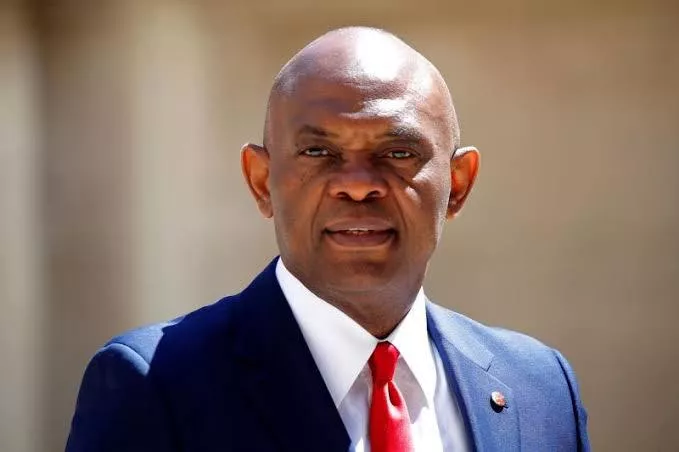
Prominent African banker and philanthropist Tony Elumelu has warned about the growing dangers of artificial intelligence misuse after a fabricated video circulated online falsely portraying him endorsing a cryptocurrency and forex trading platform.
Elumelu revealed that his team recently discovered the AI-generated video, which appeared highly realistic and convincingly replicated his voice and appearance. Despite its authenticity at first glance, the video was entirely fabricated and had no connection to him or his business activities.
“A few days ago, my team flagged an AI-generated video of me endorsing a forex and crypto platform,” Elumelu wrote in a public message shared on social media. “It looked and sounded remarkably real, but it was completely fake. This incident highlights a growing and serious threat to digital trust.”
The business leader moved quickly to distance himself from the claims made in the video, emphasizing that he has no involvement with cryptocurrency or foreign exchange trading platforms. His economic vision, he explained, has always focused on long-term investments, sustainable enterprises and supporting entrepreneurship across Africa.
“For the avoidance of doubt, I am not associated with any crypto or forex trading platforms,” he said. “My commitment to inclusive prosperity has always been through long-term investments, building sustainable businesses, and empowering entrepreneurs.”
The incident illustrates a broader global concern surrounding the rapid development of generative artificial intelligence technologies. As tools capable of producing realistic video, audio and images become more accessible, experts warn that they are increasingly being exploited to create convincing digital impersonations that can mislead the public.
Elumelu acknowledged the enormous potential of artificial intelligence, particularly for young innovators across the African continent. He stressed that the technology could play a transformative role in economic development if used responsibly.
“I strongly believe in the potential of AI,” he said. “It is a defining technology of our time, and African youth must be at the forefront of adopting it to build scalable solutions. We cannot afford to be left behind in the global tech race.”
At the same time, he cautioned that rapid technological progress without adequate safeguards could expose individuals and institutions to new forms of digital fraud. The ease with which AI tools can now replicate identities, he noted, is deeply concerning.
“But the flip side of rapid innovation is the risk of abuse,” Elumelu explained. “The ease with which identities can now be cloned to deceive the public is alarming. Policymakers and regulators must act now to establish safeguards and hold those using it to scam innocent people accountable.”
The entrepreneur also urged internet users to remain cautious when encountering online investment promotions, reminding the public to verify financial offers before committing funds.
“We must create a safe digital environment where true innovation can thrive without being overshadowed by fraud,” he said. “Protect your hard-earned money, stay alert, and let us continue to build the Africa we deserve.”
The episode reflects a growing pattern of AI-driven scams targeting high-profile figures in Nigeria and beyond. Earlier this month, a similar deepfake video falsely showed former vice president Atiku Abubakar promising large cash giveaways to citizens, a claim his media team later dismissed as a misleading online scheme.
As artificial intelligence tools continue to evolve, the challenge of protecting digital identity and maintaining public trust is rapidly becoming a central issue for regulators, technology platforms and policymakers worldwide.