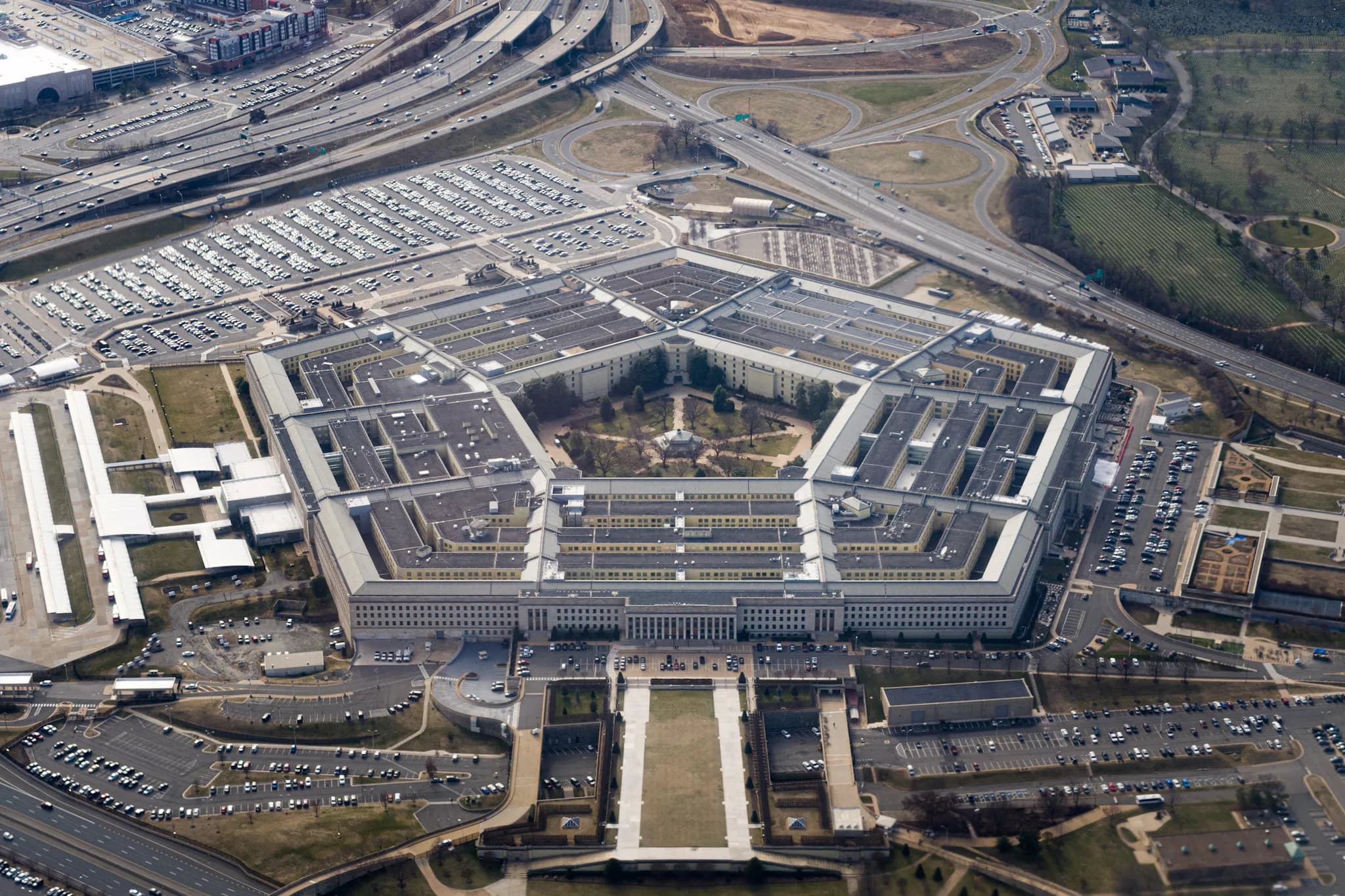
Anthropic Draws a Red Line Against the Pentagon in a Clash That Could Reshape Tech and Crypto Sovereignty
Anthropic rejects Pentagon demands on Claude AI, igniting a standoff with implications for crypto and decentralized tech.
span>Anthropic/span> has taken an extraordinary step in Washington’s tightening grip on frontier technology. Hours before a Pentagon-imposed deadline, CEOspan>Dario Amodei/span> publicly rejected demands to grant unrestricted military access to the company’s Claude AI models, setting up a confrontation that could ripple far beyond artificial intelligence and into the heart of crypto governance.
At issue is the Defense Department’s insistence that Claude Gov, Anthropic’s government-focused model, be cleared for “all lawful purposes” without the guardrails the company insists are non-negotiable. Anthropic prohibits autonomous targeting of enemy combatants and bans mass surveillance of US citizens. The Pentagon views such limits as constraints on operational authority. Anthropic sees them as ethical baselines.
In a blog post published as the Friday deadline loomed, Amodei described the government’s threats as “inherently contradictory,” noting that one measure would label Anthropic a supply chain risk while another would treat its technology as essential to national security. “Regardless, these threats do not change our position: we cannot in good conscience accede to their request,” he wrote.
The consequences could be severe. Pentagon officials reportedly outlined three escalating responses: removal from military systems, designation as a supply chain risk that would bar contractors from using Anthropic’s tools, and possible invocation of the 1950 Defense Production Act to compel access. The law, originally crafted for wartime industrial mobilization, has rarely been discussed in the context of seizing control over advanced AI models.
For Anthropic, the immediate exposure includes a $200 million defense contract. Yet the broader stakes are competitive and strategic. Rivals are moving swiftly.span>xAI/span> has agreed to provide its Grok model for classified systems under more permissive terms, whilespan>OpenAI/span> andspan>Google/span> are reportedly accelerating negotiations to expand their own classified footprints. Anthropic, once the only AI company cleared for certain sensitive work, risks losing that edge.
Amodei has grounded his resistance not only in ethics but in technical caution. “Frontier AI systems are simply not reliable enough to power fully autonomous weapons,” he argued, warning that such systems lack the judgment of trained personnel. It is a rare instance of a major AI executive drawing a public boundary against military application rather than quietly negotiating terms behind closed doors.
Why should crypto care? Because the precedent extends beyond AI. If the federal government can threaten to invoke the Defense Production Act to override product-level safeguards in the name of national security, the same legal rationale could theoretically be applied to digital asset infrastructure. Privacy-enhancing features, transaction validation rules or encryption layers could come under similar pressure.
The episode also strengthens arguments for decentralized AI and crypto-native architectures. A centralized provider, no matter how principled, can be compelled or coerced. Distributed systems, by contrast, diffuse both authority and vulnerability. For blockchain advocates, the Anthropic standoff is a live demonstration of why decentralization is not merely ideological but structural defense against state overreach.
Anthropic’s own history intersects with crypto markets. The company’s meteoric rise to a reported $380 billion valuation has influenced private capital flows that often correlate with digital asset cycles. And its early funding once included a significant stake held by FTX’s bankruptcy estate, later liquidated to repay creditors.
The Pentagon’s deadline will pass, but the implications will endure. Whether the government escalates or backs down, a line has been drawn. The real test is not just who controls advanced AI, but how much leverage the state can exert over the code that increasingly governs finance, security and digital life itself.