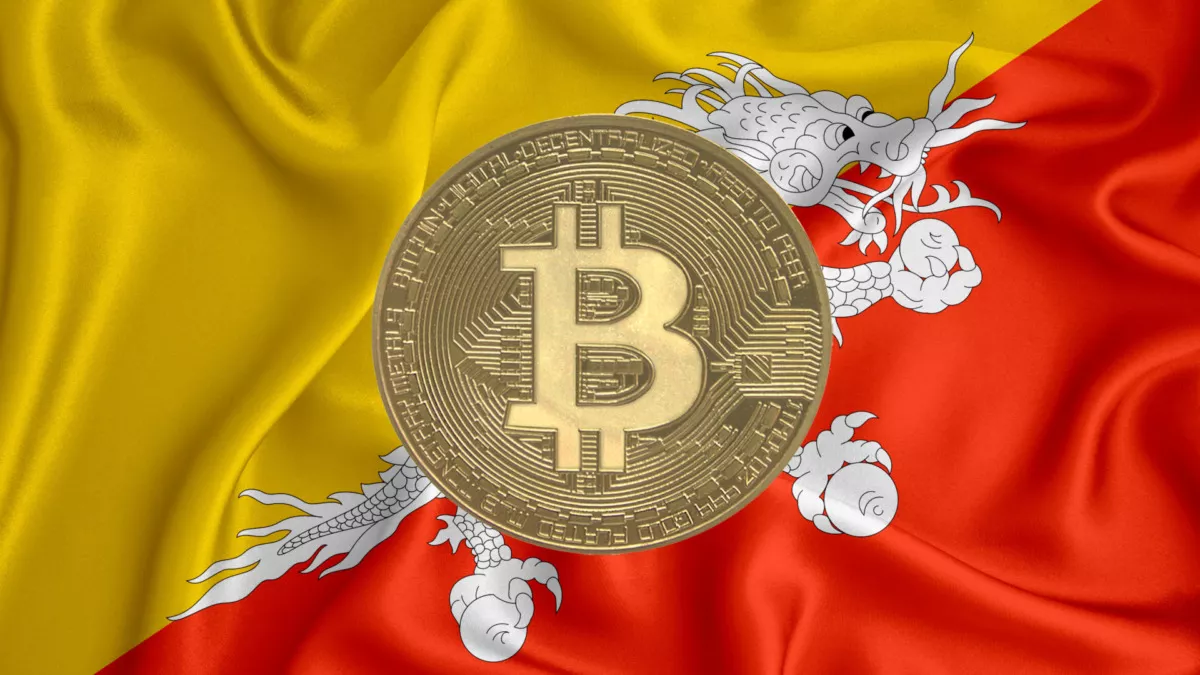
Bhutan Quietly Reduces Its Bitcoin Holdings as Strategic Transfers Continue Through 2026
Bhutan moves $11.8M in Bitcoin, bringing 2026 outflows to $42M while still holding about 5,400 BTC through its sovereign wealth fund.
The Himalayan kingdom of Bhutan has once again moved a portion of its Bitcoin reserves, reinforcing a pattern of measured transfers that has drawn attention across the digital asset industry. On Monday, the Royal Government of Bhutan transferred 175 BTC—worth roughly $11.8 million—according to blockchain data compiled by Arkham Intelligence, pushing the country’s total Bitcoin outflows in 2026 to more than $42 million.
Bhutan’s digital assets are managed by Druk Holding & Investments, the country’s sovereign wealth fund, which oversees investments aimed at supporting long-term national development. Despite the recent transfers, the fund remains one of the largest known government holders of Bitcoin, with an estimated 5,400 BTC still in reserve. At current market prices, those holdings are valued at approximately $374 million.
The latest transaction follows another transfer worth about $6.8 million recorded earlier this year. Analysts monitoring Bhutan’s wallets have observed a consistent pattern in the government’s activity. Rather than executing large one-time liquidations, the country typically moves smaller tranches of Bitcoin ranging between $5 million and $10 million.
This steady pace of transactions suggests a deliberate treasury strategy rather than abrupt portfolio adjustments. While officials have not publicly explained the purpose of these transfers, observers speculate that the government may be gradually converting part of its crypto reserves into liquidity for public spending, investment diversification, or fiscal management.
Bhutan’s approach stands in contrast to its earlier accumulation phase, when the country quietly emerged as one of the world’s most surprising sovereign participants in the Bitcoin economy. Much of the kingdom’s crypto reserves were built through domestic mining operations powered by the nation’s abundant hydroelectric resources. By leveraging renewable energy infrastructure, Bhutan positioned itself as an example of environmentally sustainable Bitcoin mining.
At the peak of its holdings last year, the country controlled more than 11,000 BTC. In July alone, Bhutan transferred over $60 million worth of Bitcoin across several transactions within a four-day period. At the time, the government’s total Bitcoin reserves were valued at approximately $1.4 billion—an amount that represented more than 40 percent of the country’s gross domestic product.
Since then, market conditions have shifted significantly. Bitcoin has declined from around $119,000 during last year’s rally to roughly $69,000 in recent trading sessions. The drop in price has substantially reduced the dollar value of Bhutan’s remaining holdings, even though the country continues to maintain a sizeable position.
Market watchers say Bhutan’s activity highlights a broader trend among institutional and sovereign participants navigating volatile crypto markets. While some holders have chosen to trim exposure or rebalance portfolios, others have continued to accumulate Bitcoin aggressively.
Among the most notable accumulators is the corporate entity Strategy, which recently added nearly 18,000 BTC to its balance sheet. The firm now controls more than 738,000 Bitcoin, reinforcing its position as one of the largest institutional holders of the asset.
Meanwhile, Bitcoin itself has shown signs of resilience after months of price correction. The cryptocurrency was trading near $68,900 on Monday, rising about 2.6 percent over the previous 24 hours and testing the $69,000 resistance level once again.
For Bhutan, however, the focus appears less about short-term market movements and more about careful treasury management. By gradually adjusting its holdings rather than exiting the market entirely, the country continues to walk a careful line between maintaining exposure to the world’s largest cryptocurrency and securing liquidity from one of its most unconventional national investments.