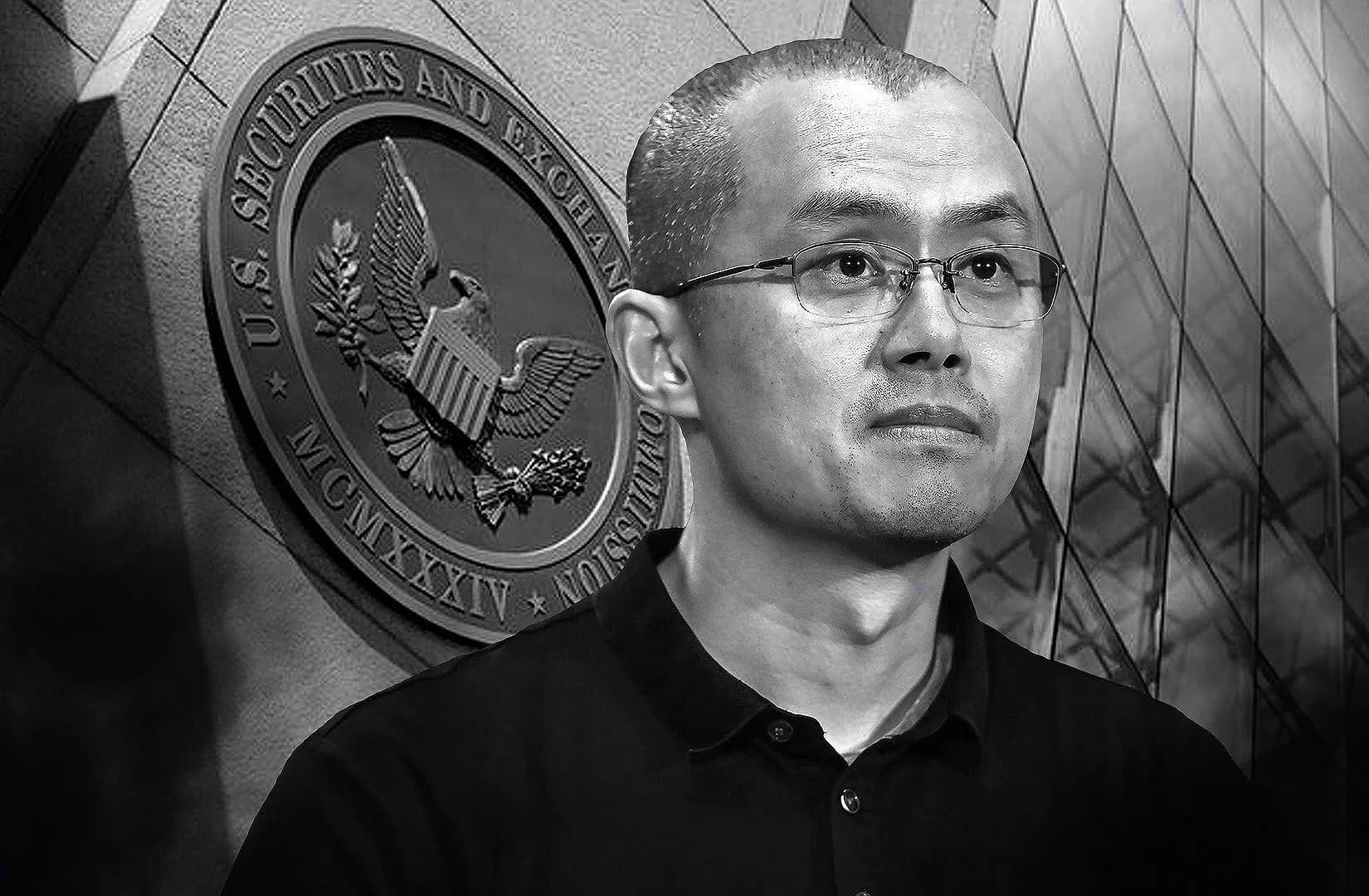
Binance Pushes Back in Court as Legal Storm Grows Around Crypto’s Largest Exchange
Binance sues the Wall Street Journal for defamation as scrutiny grows over alleged sanctions violations involving Iran and possible DOJ investigation.
The world’s largest cryptocurrency exchange has escalated its confrontation with the media and regulators, filing a defamation lawsuit against the publisher of The Wall Street Journal while facing renewed scrutiny over alleged sanctions violations involving Iran.
Binance lodged the complaint in the U.S. District Court for the Southern District of New York, accusing Dow Jones, the newspaper’s parent company, of publishing what it calls “false and defamatory statements” about the exchange’s compliance practices. The legal action came the same day the newspaper reported that the U.S. Department of Justice was examining whether Iranian actors used the platform to move funds in violation of American sanctions.
At the center of the dispute is a February report suggesting that Binance dismissed employees who had raised concerns about transactions linked to sanctioned groups, including the Houthi movement in Yemen. The exchange firmly rejects that characterization. According to the complaint, staff departures were unrelated to compliance whistleblowing and instead stemmed from alleged breaches of internal data protection rules.
“Binance categorically did not dismantle any compliance investigation,” a company representative said, adding that the publication had continued to repeat claims the exchange considers inaccurate. The spokesperson argued that the lawsuit was necessary after what the firm described as persistent reporting of “the same falsities.”
The dispute highlights the continuing tension between major crypto firms and institutions tasked with policing global financial flows. Since its rapid rise during the digital asset boom, Binance has often operated at the intersection of innovation and regulatory uncertainty, drawing intense attention from authorities across multiple jurisdictions.
Company representatives insist the internal investigation referenced in the dispute has not only continued but expanded, revealing complex financial patterns across several regions. According to the exchange, investigators identified “a sophisticated, multi-jurisdictional pattern of financial activity spanning Asia, the Middle East, and beyond.” Binance says it mapped the transactions, removed the accounts involved from the platform and alerted law enforcement authorities.
Despite the media report suggesting a federal probe, Binance maintains it has not been formally informed of any Justice Department investigation connected to the allegations. The company said it remains in regular contact with regulators and law enforcement agencies and continues to cooperate when inquiries arise. “As always, we are collaborating with regulators and law enforcement to investigate the facts,” the exchange said.
The lawsuit seeks compensatory damages and the recovery of legal costs, though Binance has not disclosed a specific financial figure. The company has also requested that the case be decided by a jury.
The legal battle comes as Binance continues to navigate the long shadow of earlier enforcement actions. In 2023 the exchange admitted to violating U.S. anti-money-laundering and sanctions regulations, agreeing to pay more than $4.3 billion in penalties in one of the largest settlements in the history of the crypto industry. Its founder, Changpeng Zhao, also pleaded guilty to related charges and served a four-month prison sentence before receiving a presidential pardon in late 2025.
For Binance, the latest clash illustrates how reputational risk has become as consequential as regulatory oversight in the digital asset economy. As governments tighten scrutiny of cross-border crypto transactions and sanctions enforcement, even the suggestion of compliance failures can carry significant financial and political consequences.
Whether the lawsuit succeeds or not, the case signals a more aggressive posture from a company determined to defend its image while navigating one of the most complex regulatory environments the crypto sector has ever faced.