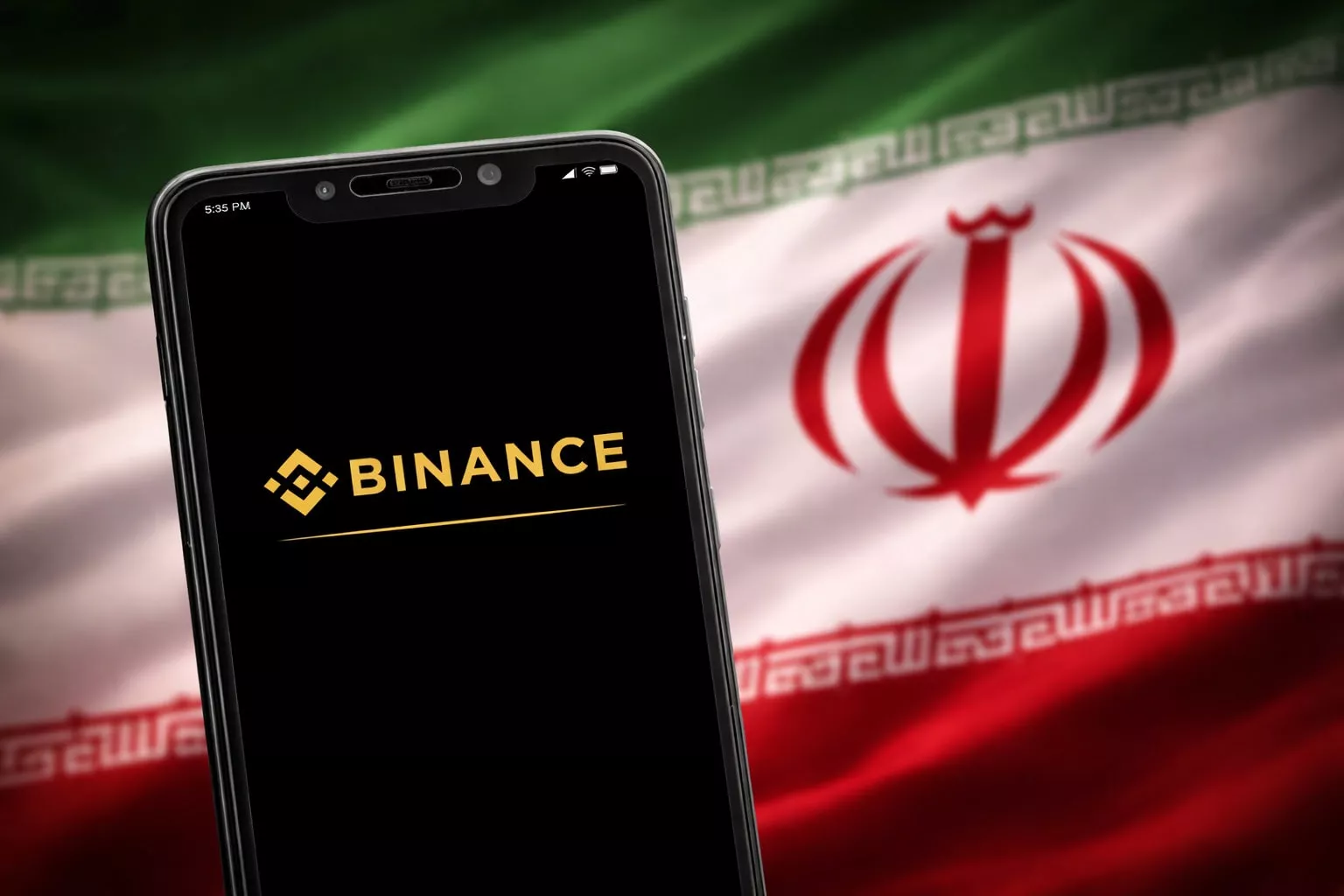
Binance Rejects Iran-Linked Tether Claims as Compliance Scrutiny Returns to the Forefront
Binance denies report alleging $1B in Iran-linked USDT flows, as compliance scrutiny resurfaces.
Binance is once again confronting questions about its compliance architecture after forcefully rejecting a report alleging that more than $1 billion in Iran-linked Tether transactions flowed through the exchange’s ecosystem. The claims, first reported by Fortune and attributed to unnamed sources, suggest that Binance’s internal compliance investigators flagged suspicious USDT activity on the Tron blockchain between March 2024 and August 2025—and that several staff members later departed the company after raising concerns.
The exchange has categorically denied the accusations. Co-CEO Richard Teng described the reporting as “irresponsible and misleading,” insisting that no sanctions violations were identified and that no employees were dismissed for escalating red flags. In a formal statement, Binance said an internal review conducted alongside external legal counsel found no evidence of breaches connected to the transactions in question.
At the heart of the dispute lies the use of Tether’s USDT on Tron, a combination that blockchain analytics firms have previously identified as attractive to high-risk or sanctioned actors seeking alternatives to traditional banking channels. The Fortune report claims compliance investigators raised alarms over flows potentially linked to Iran, a jurisdiction subject to extensive U.S. sanctions. According to those anonymous accounts, some members of the investigations unit, including senior personnel with law enforcement backgrounds, subsequently left the firm.
Binance maintains that the narrative misrepresents both the facts and the company’s internal culture. It emphasized that whistleblower protections operate across multiple jurisdictions in which it does business and pointed to enhanced sanctions screening systems implemented after its landmark $4.3 billion settlement with U.S. authorities in 2023. That agreement, reached over anti-money laundering and sanctions violations, marked one of the largest corporate settlements in U.S. financial enforcement history and forced the exchange into a new era of regulatory oversight.
The renewed scrutiny illustrates how Binance’s past continues to shape perceptions of its present. Even in the absence of fresh enforcement action, allegations tied to sanctions compliance carry significant reputational weight. Regulators worldwide remain attentive to crypto platforms’ ability to prevent illicit finance, particularly where stablecoins and high-throughput blockchains intersect with geopolitically sensitive regions.
For now, the episode remains a clash between anonymous-source reporting and firm corporate denials. Without public documentation of regulatory findings or enforcement measures, the controversy underscores the broader transparency dilemma facing the crypto industry: how to balance investigative confidentiality with the market’s demand for accountability.
In parallel, Binance has sought to reinforce confidence in its balance sheet. The company recently completed the full conversion of its $1 billion emergency insurance fund into Bitcoin, signaling a conviction in BTC as a long-term reserve asset despite deteriorating market sentiment. The move positions Bitcoin not merely as a traded instrument but as a strategic treasury holding—an assertion of resilience at a moment when compliance credibility is again under the microscope.
As digital asset markets mature, disputes like this one are unlikely to disappear. What is changing, however, is the expectation that major exchanges operate under standards comparable to global financial institutions. For Binance, the challenge is no longer simply growth—it is sustaining trust in an environment where regulatory memory is long and scrutiny rarely fades.