Bio-NFTs: Owning and Monetizing Your Genetic Code
Your DNA, your profit. In 2026, Bio-NFTs allow you to own and monetize your genomic data while accelerating medical research through DeSci.
Overview
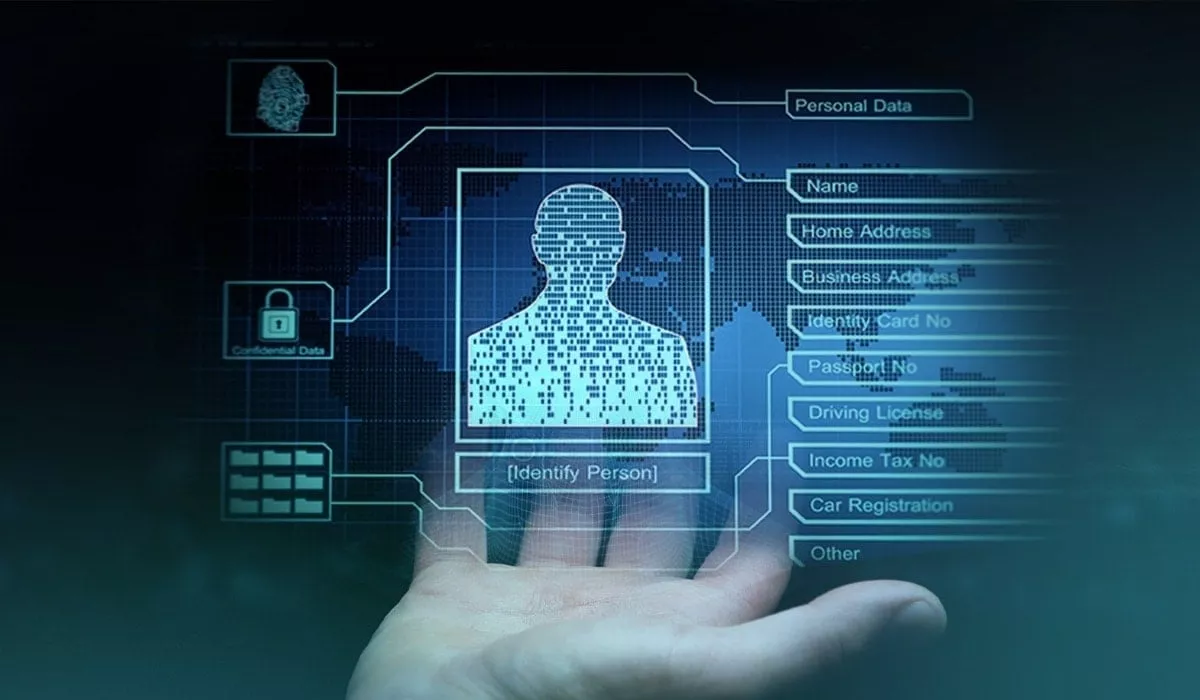
Bio-NFTs (Biological Non-Fungible Tokens) are unique digital assets that represent ownership of biological data, most commonly Whole Genome Sequencing (WGS). In 2026, these are not just "images" of DNA, butfunctional access keys. When you sequence your DNA, the data is encrypted and stored in a decentralized vault. The Bio-NFT acts as the "deed" to that vault. If a pharmaceutical company wants to use your data for a 2026 cancer study, they must interact with your NFT, triggering a smart contract that pays you automatically while keeping your identity anonymous.
Explanation (In-Depth)
The technical foundation of Bio-NFTs in 2026 relies on the intersection of genomics and cryptography:
Real-World Examples (2026 Context)
Advantages/Pros
Disadvantages/Cons
Evolution Through Time
Market Sentiment
In 2026, the sentiment isfiercely protective."Don't sell your soul, NFT it" is a common phrase in DeSci circles. The public is increasingly aware of the value of their "biological gold," and the market for Bio-NFTs is viewed as a high-growth sector of the "Health-Fi" (Health Finance) economy. Large-scale institutional "Bio-Aggregators" have emerged, but the ethos remains firmly rooted in individual ownership.
Conclusion
Bio-NFTs represent the final frontier of the ownership economy. In 2026, we have moved from owning digital art to owning our very essence. By turning the human genome into a sovereign asset, we aren't just protecting our privacy—we are funding the next generation of medicine from the bottom up. Your DNA is no longer a liability held by a corporation; it is the most valuable property you will ever own.
- Encrypted Data Vaults:Your 300GB+ genomic file isn't on the blockchain (which would be impossible). Instead, it's in aTEE (Trusted Execution Environment)or a decentralized storage system like IPFS. The Bio-NFT contains the metadata and the pointer to this vault.
- Compute-to-Data:Instead of "downloading" your DNA, researchers send their algorithmstoyour data. The computation happens inside a secure bubble, and only theresult(e.g., "This person has the XYZ gene") is sent back. The Bio-NFT governs this permission.
- IP-NFTs (Intellectual Property NFTs):Beyond personal data, Bio-NFTs are used to represent ownership in new drugs. In 2026,BioDAOs(Decentralized Autonomous Organizations) use IP-NFTs to fund clinical trials. If the drug is successful, the NFT holders (including the patients who provided data) own a piece of the patent.
- Dynamic Metadata:Bio-NFTs in 2026 are often "dynamic." As you age or develop new health conditions, your biological record updates, potentially increasing the value of your NFT for longitudinal studies.
- Genomes.io (GenomesDAO):The leading platform for private genomic storage. In 2026, its $GENOME token ecosystem allows users to mint a "DNA Vault NFT," which acts as a shield against big pharma data harvesting while enabling peer-to-peer research.
- BIO Protocol:A massive DeSci orchestrator that recently launched "BioDAOs." These DAOs focus on specific diseases (like VitaDAO for longevity). Patients contribute their Bio-NFTs to these DAOs to accelerate cures while retaining ownership.
- GenoBank.io:A pioneer in "DNA Wallets" that uses NFTs to ensure that indigenous populations and marginalized groups aren't exploited by genomic researchers, giving them "Bio-Sovereignty."
- Nebula Genomics (Evolution):While one of the oldest players, by 2026 it has fully integrated with the "Ownership Economy," allowing users to opt-in to research "pools" where rewards are managed through blockchain-based royalties.
- Passive Income:Turn your "static" biological information into a recurring revenue stream as the biotech industry’s demand for diverse data grows.
- Privacy First:Unlike legacy databases, Bio-NFTs combined with ZK-proofs allow you to prove health traits without revealing your name or address.
- Accelerated Cures:By removing the "middlemen" (centralized data brokers), researchers can connect directly with patients, cutting years off the drug discovery timeline.
- Scientific Equity:Allows the people who actually provide the data to share in the multi-billion dollar profits of the pharmaceutical industry.
- The "Permanent Record" Risk:If a vault's encryption is cracked in the future (e.g., by quantum computing), your most private information is exposed forever.
- Ethical Concerns:Some critics argue that "monetizing life" leads to a dystopian future where the poor are pressured to sell their biological secrets to survive.
- Physical Linkage:An NFT can be stolen or lost. If a hacker gains control of your Bio-NFT, they technically "own" the digital rights to your biological identity.
- 2013–2020 (The Extraction Era):23andMe and AncestryDNA dominate. Users pay to give their data away; companies sell it to GlaxoSmithKline and others.
- 2021–2023 (The DeSci Spark):Early projects like Molecule and VitaDAO begin to experiment with tokenizing IP, but personal Bio-NFTs remain a niche for "biohackers."
- 2024–2025 (The Privacy Pivot):Massive data breaches at legacy DNA companies spark a mass exodus toward decentralized "vault" solutions.
- 2026 (The Bio-Sovereignty Era):Bio-NFTs become the standard for clinical trial participation. Major biotech firms are forced to buy data directly from "Soul-anchored" Bio-NFT holders.