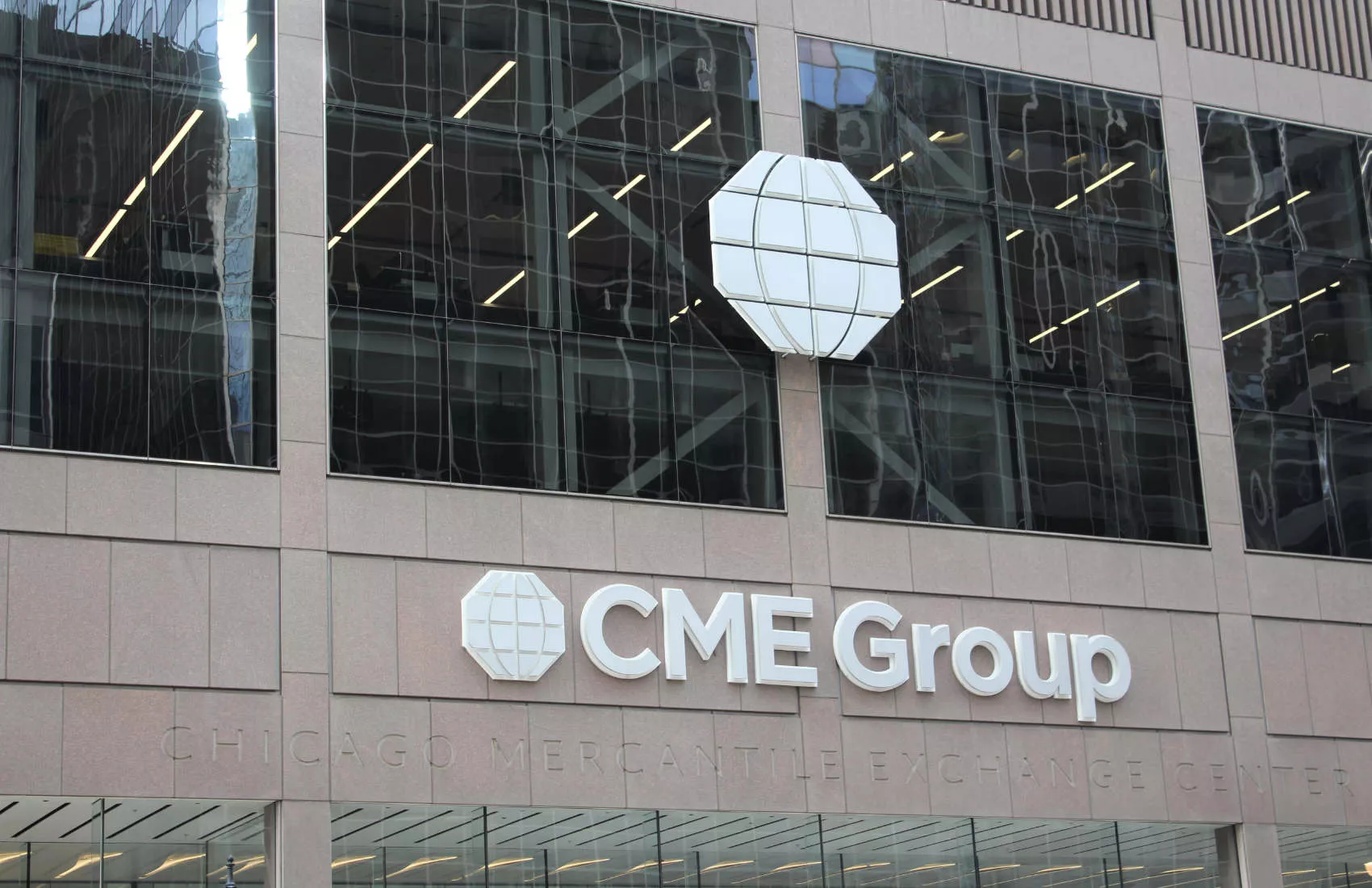
CME Group Deepens Its Crypto Footprint as Cardano, Chainlink, and Stellar Enter Regulated Futures Markets
CME Group expands its regulated crypto futures lineup with Cardano, Chainlink, and Stellar contracts launching February 9, 2026.
CME Group is once again reshaping the boundaries between traditional finance and digital assets. Beginning February 9, 2026, the world’s largest derivatives exchange will roll out futures contracts tied to Cardano, Chainlink, and Stellar, marking a notable expansion of its regulated cryptocurrency offerings. The move reinforces CME’s long-term strategy of integrating select crypto assets into the institutional trading ecosystem under established regulatory frameworks.
The new futures contracts will operate under the oversight of the US Commodity Futures Trading Commission, a distinction that carries significant weight for asset managers, hedge funds, and proprietary trading firms. For many institutions constrained by compliance rules that limit direct exposure to spot cryptocurrencies, CFTC-regulated derivatives provide a familiar and permissible gateway. CME itself highlighted that the contracts are designed to deliver capital efficiency and strategic flexibility, offering both standard and micro-sized instruments to accommodate varying risk appetites.
Contract design plays a central role in this expansion. Cardano futures will represent 100,000 ADA per standard contract, with micro versions covering 10,000 tokens. Chainlink futures are structured around 5,000 LINK in their standard form, while micro contracts include 250 tokens. Stellar futures will track 250,000 lumens, alongside micro contracts sized at 12,500 lumens. This dual structure mirrors CME’s broader derivatives philosophy: large enough for institutional hedging and arbitrage, yet granular enough to lower barriers for smaller market participants.
All three products will be cash-settled, eliminating the operational complexities associated with custody and on-chain settlement. This approach has long been favored by traditional financial institutions that prioritize operational simplicity and counterparty clarity. By keeping the contracts firmly within the established futures infrastructure, CME reduces friction for participants who may be less familiar with digital asset custody or blockchain-specific risks.
Market analysts see the launch as more than a product expansion. Zach Rynes, commenting on the introduction of Chainlink futures, pointed to broader implications, including enhanced institutional accessibility, deeper onshore liquidity, and new opportunities for basis trading alongside exchange-traded products. He also emphasized the symbolic importance of regulatory treatment, noting that CFTC oversight effectively reinforces the perception of LINK as a commodity within US markets.
This latest addition builds on nearly a decade of CME’s gradual crypto integration. Bitcoin futures debuted on the exchange in December 2017, followed by Ether in early 2021. More recently, CME added futures and options linked to XRP and Solana, reflecting a measured but consistent willingness to broaden its crypto exposure. In 2025 alone, CME reported average daily crypto derivatives volumes of roughly $12 billion, with 28 million contracts traded across the year.
The timing is also notable. On the same February date, CME plans to introduce new silver futures contracts, underscoring its broader strategy of expanding product diversity across both digital and traditional commodities. Taken together, the launch of Cardano, Chainlink, and Stellar futures signals a continued institutionalization of crypto markets, where selected assets increasingly trade alongside oil, metals, and interest rates within the world’s most established derivatives venue.