Malaysia’s Crypto Crackdown Intensifies as Police Expose Hidden Mining Operations in Teluk Intan
Malaysian police seized 41 illegal crypto mining machines in Teluk Intan, underscoring ongoing efforts to curb electricity theft and safety risks.
Malaysian authorities have once again drawn attention to the darker side of cryptocurrency mining, following coordinated police raids that uncovered dozens of illegally operated mining machines in the town of Teluk Intan. The operation, carried out over two days in early January, reflects a broader national effort to curb underground mining activities that rely on stolen electricity and pose serious risks to public infrastructure.
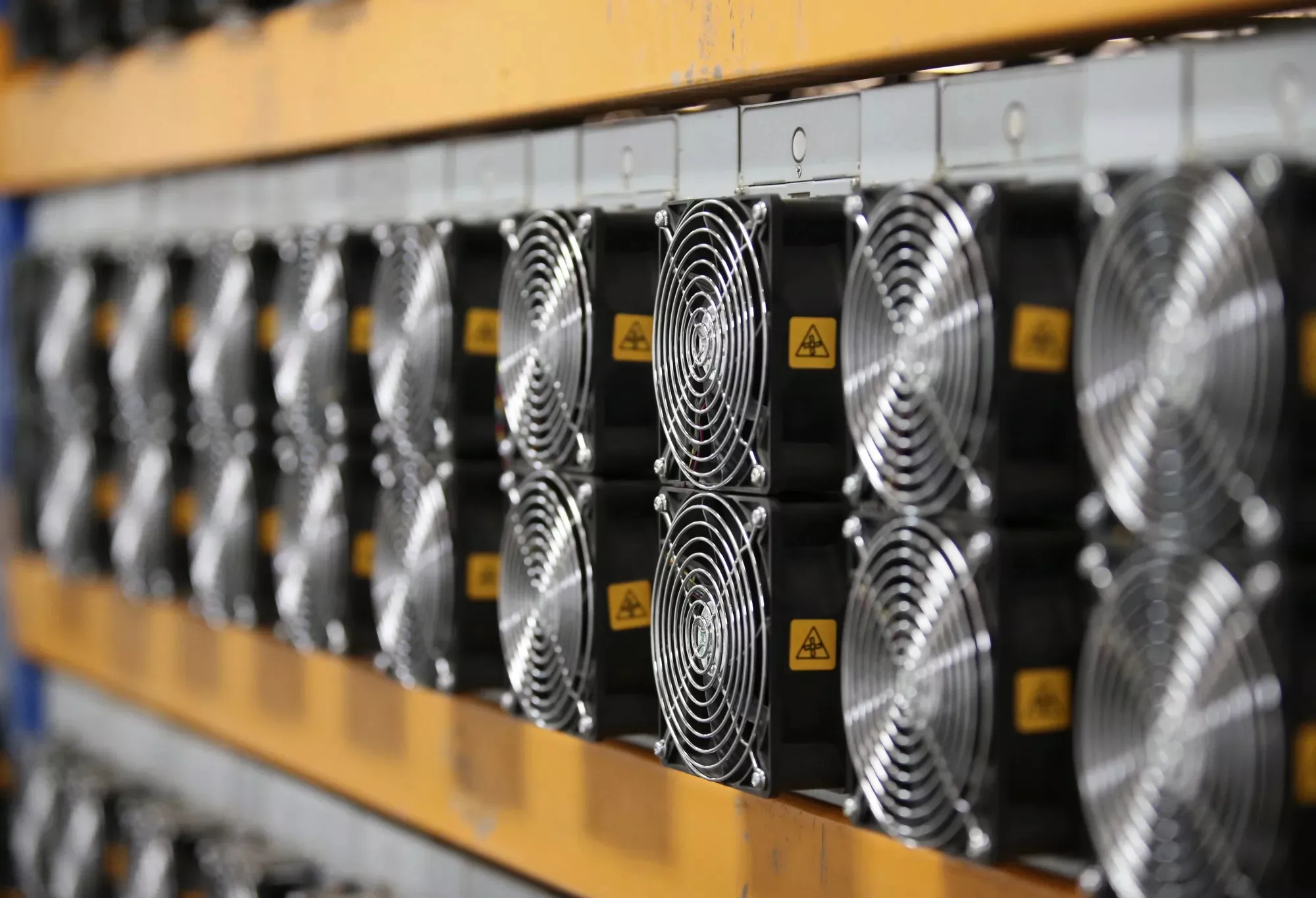
According to local police, officers seized a total of 41 cryptocurrency mining machines across three locations in the Hilir Perak district. The first raid, conducted on the night of January 9, resulted in the confiscation of 24 machines. Two additional raids in the early hours of January 10 uncovered another 17 units. The sites were suspected of siphoning electricity directly from the grid to power high-energy mining rigs without authorization.
Hilir Perak police chief Bakri Zainal Abidin confirmed that no arrests have been made so far, but investigations remain ongoing. Authorities are working to identify the individuals or organized groups behind the operations, while also assessing damage to properties and violations involving the misuse of electricity supply. Under Malaysian law, both electricity theft and property damage constitute criminal offenses, even when the underlying activity, such as cryptocurrency mining, is legal in principle.
This distinction sits at the heart of Malaysia’s approach to regulating the sector. Cryptocurrency mining itself is permitted when conducted transparently and in compliance with existing laws. Problems arise when operators attempt to avoid high electricity costs by bypassing meters, tapping directly into power lines, or modifying electrical systems. Such methods not only deprive the national grid of revenue but also expose neighborhoods to significant safety hazards.
Illegal mining operations have become a recurring challenge for Malaysian authorities. In recent years, police across several states have uncovered large-scale setups hidden in abandoned buildings, residential properties, and industrial zones. Some enforcement actions have drawn international attention, particularly when confiscated machines were publicly destroyed using heavy machinery to deter future violations.
Beyond financial losses, officials warn that unauthorized mining poses serious risks to public safety. Mining equipment generates intense heat and requires stable electrical infrastructure and cooling systems to operate safely. Illegal setups often lack these safeguards, increasing the likelihood of overheating, electrical faults, and fires. Overloaded wiring can ignite without warning, threatening nearby homes and businesses, while the continuous strain on buildings can lead to long-term structural damage.
Malaysia has already experienced multiple incidents where fires were traced back to illicit mining activities, reinforcing concerns among regulators and utility providers. These cases have fueled calls for stronger monitoring of electricity usage patterns and closer cooperation between law enforcement and power companies to detect abnormal consumption linked to hidden mining farms.
The Teluk Intan raids highlight the ongoing tension between the growth of digital asset technologies and the realities of local infrastructure. As crypto mining remains energy-intensive, authorities face the challenge of allowing legitimate innovation while preventing abuse that undermines public safety and the power grid. For now, Malaysian police appear determined to signal that while crypto mining may be legal, cutting corners on electricity and safety will not be tolerated.