Nike’s Silent Retreat From NFTs Signals a Deeper Reckoning for Web3 Brands
Nike’s sale of RTFKT highlights the deepening NFT market slump as brands, platforms, and events retreat or pivot amid falling demand.
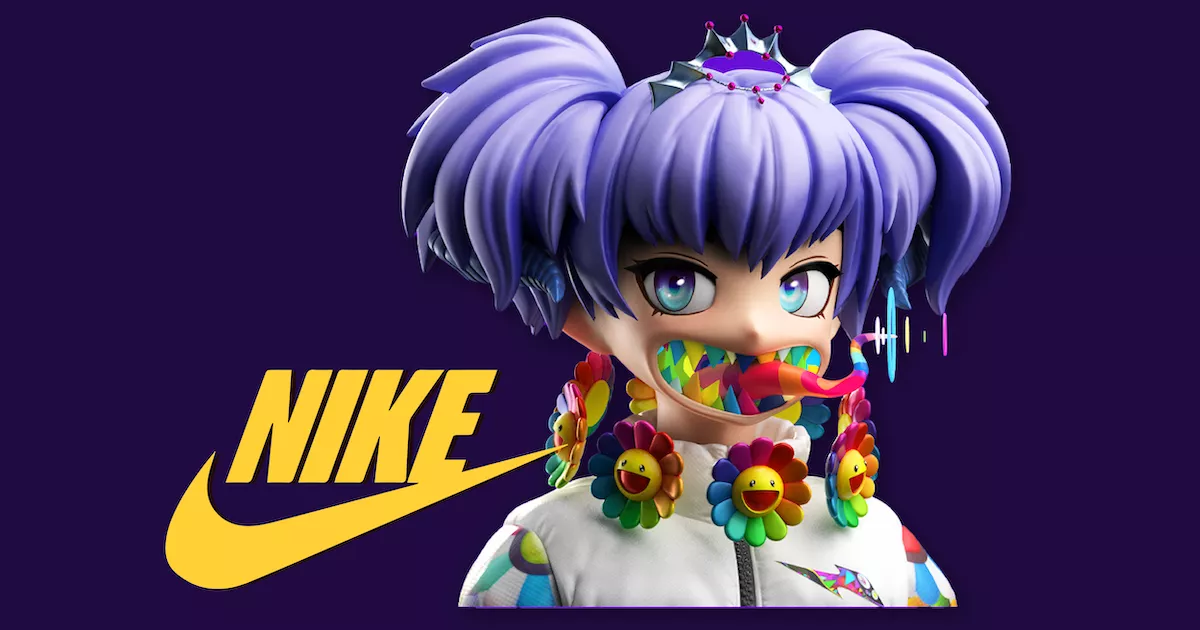
Nike’s decision to quietly divest RTFKT marks a symbolic turning point in the relationship between global consumer brands and the once-hyped NFT economy. The sale, finalized in mid-December 2025 under undisclosed terms, closes a chapter that began with great ambition in 2021, when Nike acquired the digital fashion studio at the height of the Web3 boom.
At the time, RTFKT embodied a vision of virtual sneakers, tokenized collectibles, and immersive digital identity. Four years later, the unit has been shed with little public fanfare, reflecting how sharply the market environment has shifted. The divestment followed Nike’s earlier announcement that it would end RTFKT’s Web3 services and pause NFT drops, while selectively maintaining gaming-related virtual wearables. By January 2025, the company had already signaled that its appetite for experimental blockchain products was waning.
The timing of the sale is closely tied to broader strategic changes within Nike. Chief executive Elliott Hill, who took over in late 2024, has spent his second year steering the company back toward its traditional strengths in sportswear, footwear, and wholesale partnerships. RTFKT, acquired under former CEO John Donahoe as part of a push into digital-native sales channels, no longer fit neatly within that recalibrated focus.
Nike’s retreat also coincides with financial pressure elsewhere in its portfolio. Converse, one of the company’s most recognizable brands, reported an approximate 30% drop in sales during the fourth quarter of 2025. That decline has fueled speculation among analysts about potential portfolio adjustments, including the possibility of further divestitures, though Nike has not confirmed any plans beyond RTFKT.
Beyond Nike’s internal calculus, the exit underscores the severity of the ongoing NFT downturn. Over the past year, the total market capitalization of NFTs has fallen by more than 67%, erasing much of the speculative value that once attracted corporate entrants. Monthly sales volumes continued to slide through November and December 2025, reinforcing the sense that the market’s contraction is structural rather than temporary.
The ripple effects are visible across the industry. Major platforms that once positioned themselves as cornerstones of the NFT ecosystem have been forced to rethink their models. OpenSea has announced a pivot away from an NFT-only marketplace toward a broader trading platform that includes tokens, collectibles, and even physical goods. X2Y2 has shut down its NFT operations entirely to focus on artificial intelligence, while Rarible has overhauled its incentive structures after acknowledging that earlier reward systems were unsustainable.
Even the cultural infrastructure around NFTs is retreating. High-profile events such as NFT Paris and RWA Paris were canceled ahead of their scheduled February 2026 dates, with organizers citing deteriorating market conditions. These cancellations reflect a shrinking appetite for large-scale gatherings centered on a sector still searching for a credible recovery narrative.
Nike’s quiet sale of RTFKT does not simply mark the end of one corporate experiment. It signals a broader reassessment underway among mainstream brands that once rushed into NFTs. As capital, attention, and consumer interest continue to thin, the question is no longer when NFTs will return to their peak, but which elements, if any, will survive the downturn in a form viable enough for global brands to embrace again.