Oil Surges, Gold Slumps and Bitcoin Defies Expectations as Iran Conflict Rewrites Market Behavior
Iran conflict drives oil surge, weakens gold and boosts Bitcoin’s role as an alternative safe haven.
One month into the conflict involving Iran, global financial markets are undergoing a sharp and unexpected realignment, challenging traditional assumptions about how assets behave during geopolitical crises. Instead of moving collectively toward conventional safe havens, key asset classes have diverged, reshaping investor strategies across commodities, equities and digital assets.
/p>p>The most pronounced shift has taken place in energy markets. Crude oil prices have surged to levels not seen since the pandemic era, driven by supply disruptions and the effective closure of the Strait of Hormuz, one of the world’s most critical energy transit routes. Brent crude has climbed above $100 per barrel, while U.S. benchmark prices have approached similar levels, reflecting mounting concerns over constrained supply and prolonged instability in the region.
/p>p>The magnitude of this rally has drawn comparisons to previous oil shocks, as damage to infrastructure and restricted flows continue to tighten global supply. Even signals of potential de-escalation have failed to calm markets, with traders increasingly pricing in a longer period of disruption. Analysts suggest that, even if hostilities ease, restoring full production capacity could take months, leaving energy prices elevated well beyond the immediate crisis.
/p>p>Rising oil prices are also influencing broader financial conditions. Higher energy costs are reinforcing inflationary pressures, prompting markets to reconsider expectations for monetary policy. Instead of anticipating rate cuts, investors are beginning to price in a more restrictive stance, adding further strain to equity markets already weighed down by uncertainty.
/p>p>In contrast, traditional safe-haven assets have delivered a surprising underperformance. Gold and silver, which had been among the strongest performers earlier in the year, have declined notably since the conflict began. This reversal has caught many investors off guard, particularly those who expected precious metals to provide protection during geopolitical turbulence.
/p>p>A strengthening U.S. dollar has contributed to this decline, as its inverse relationship with gold prices has amplified downward pressure. At the same time, higher interest rate expectations have reduced the appeal of non-yielding assets, further weakening demand for metals.
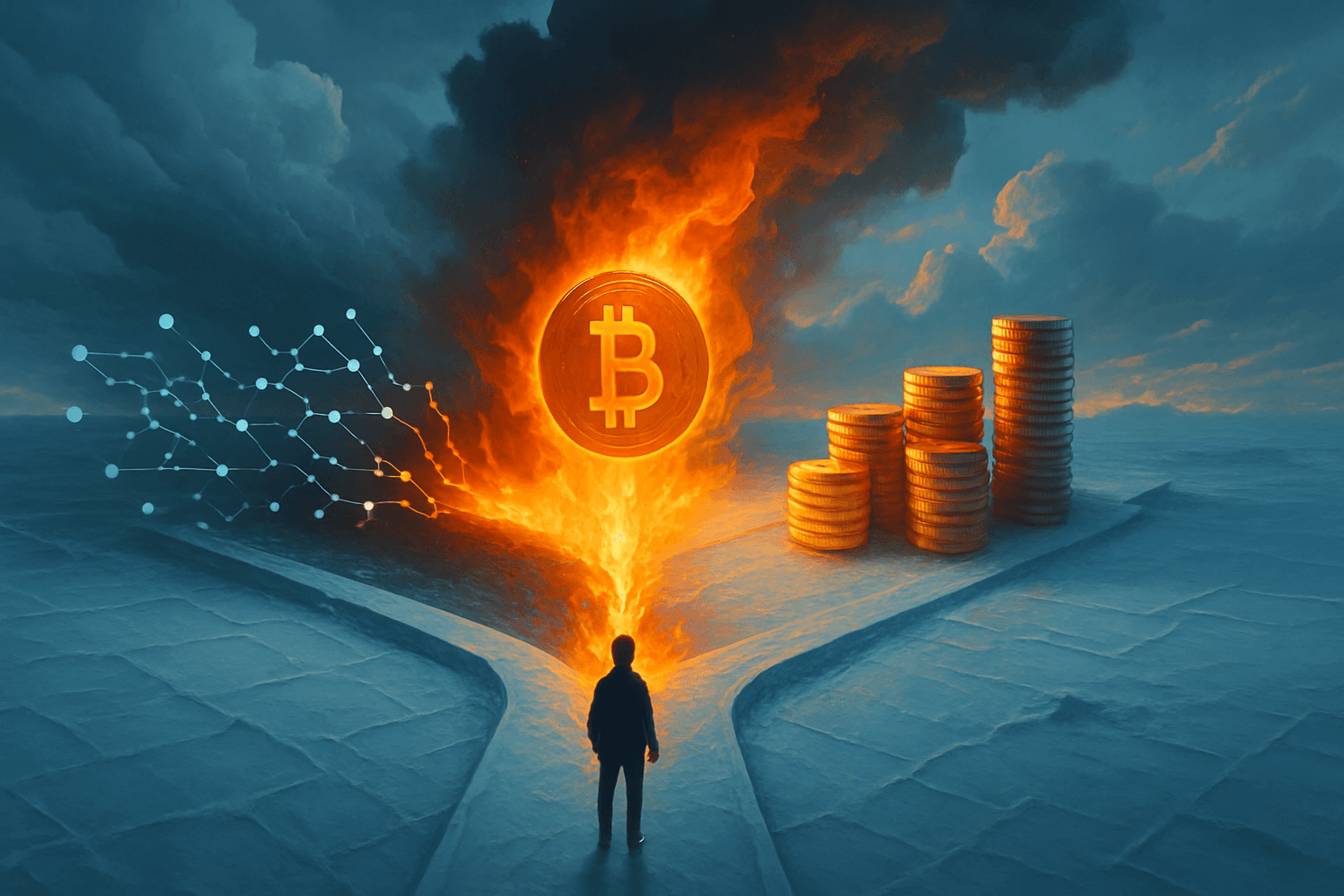
/p>p>Meanwhile, Bitcoin has emerged as an unexpected relative outperformer. Although the cryptocurrency has not experienced a dramatic price surge, it has held its value more effectively than U.S. equities, positioning it as a potential alternative store of value in times of uncertainty. This performance marks a notable shift in perception, as Bitcoin begins to challenge the traditional dominance of gold as a defensive asset.
/p>p>The divergence across asset classes highlights a broader transformation in market dynamics. Investors are no longer relying solely on historical patterns to guide decisions during crises. Instead, they are adapting to a more complex environment where liquidity, accessibility and evolving narratives play a central role in shaping outcomes.
/p>p>Even if the conflict were to de-escalate in the near term, the effects on global markets are unlikely to disappear quickly. Structural damage to supply chains and energy infrastructure suggests that volatility could persist, particularly in oil markets, where recovery timelines remain uncertain.
/p>p>For now, the first month of the Iran conflict has delivered a clear message to investors. Established assumptions about safe havens are being tested, and the hierarchy of asset performance is being rewritten in real time.