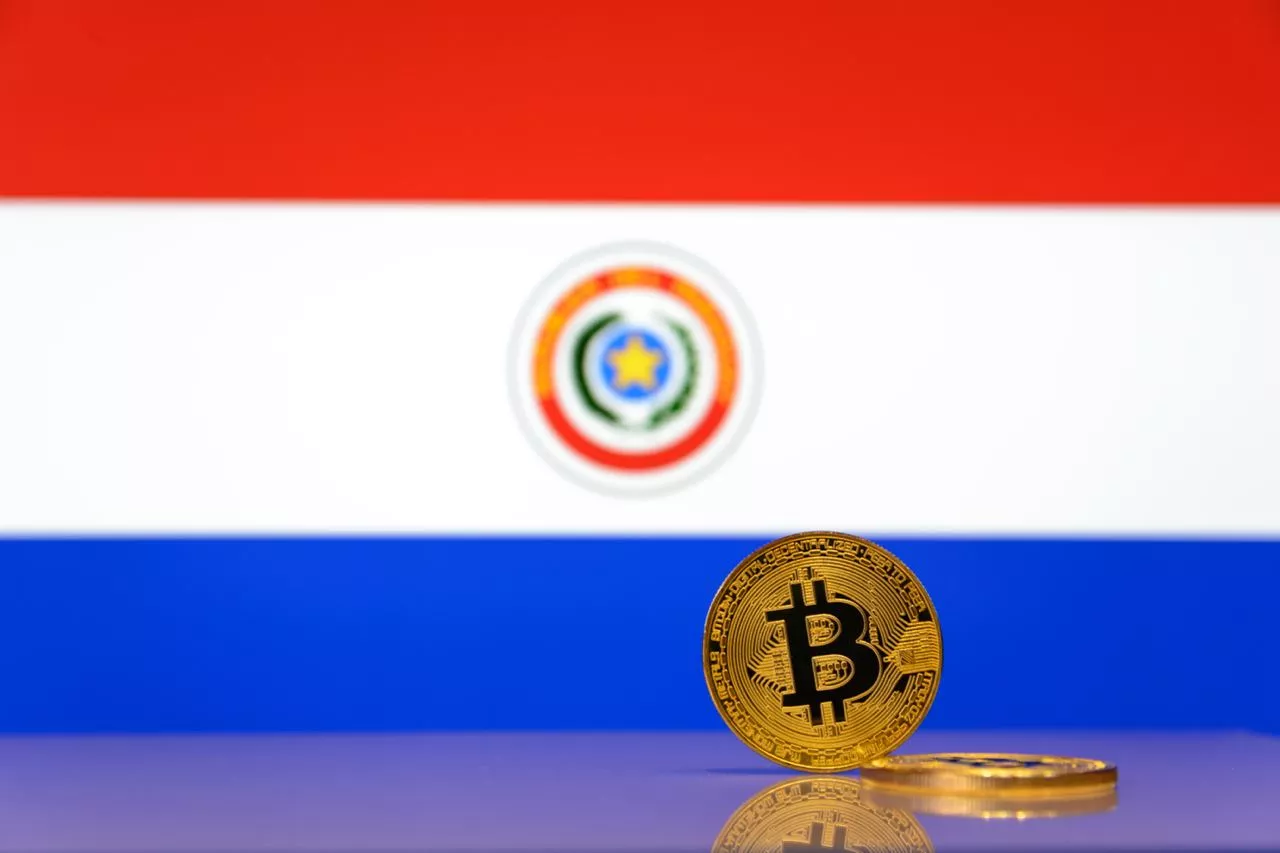
Paraguay Tightens Crypto Oversight as New Rules Force Bitcoin Transaction Reporting Above $5,000
Paraguay introduces strict reporting rules for Bitcoin and crypto transactions over $5,000, expanding oversight of digital assets.
Paraguay is taking a decisive step toward regulating digital assets as its tax authority introduces sweeping reporting requirements for cryptocurrency transactions. The country’s National Directorate of Tax Revenue has issued General Resolution No. 47/26, a measure that compels residents and crypto platforms to disclose detailed information about digital asset activity exceeding $5,000 annually.
The rule targets Bitcoin and other cryptocurrencies, requiring both individuals and service providers to submit extensive transaction records to fiscal authorities. Under the new framework, nearly all qualifying crypto activity must be reported, signaling Paraguay’s effort to bring digital assets into the formal tax system while strengthening financial oversight.
Authorities say the policy is designed to increase transparency and reduce the risks associated with unmonitored digital transactions. Officials from the tax agency explained that improved identification and monitoring mechanisms will help ensure regulatory compliance and align the country’s financial system with international standards.
The reporting obligations extend well beyond simple purchases or sales. Platforms and intermediaries must now provide a broad set of transaction details, including wallet addresses, blockchain networks, transaction hashes, timestamps and the dollar value of each transfer. Information about fees and counterparties must also be disclosed when applicable.
The scope of the regulation covers a wide range of cryptocurrency activity. Buying and selling digital assets are included, but so are crypto-to-crypto trades, mining rewards, staking income, yield farming returns, airdrops and lending operations. Even transfers between personal wallets may fall under reporting requirements if they exceed the designated threshold.
While the resolution significantly expands reporting obligations, authorities emphasize that it does not introduce new taxes on cryptocurrencies. Instead, the measure is intended to strengthen the government’s ability to monitor digital asset flows and integrate them into Paraguay’s existing fiscal framework.
The regulation also reflects international pressure to improve oversight of virtual asset markets. Global policy organizations have increasingly urged governments to enforce stricter compliance standards to address money laundering risks and illicit financing through digital assets.
Paraguay’s approach aligns with recommendations from the Financial Action Task Force, which since 2019 has encouraged jurisdictions to implement detailed reporting frameworks for cryptocurrency transactions. As a member of the Latin American anti–money laundering group GAFILAT, Paraguay has incorporated these guidelines as part of broader efforts to modernize its financial regulatory system.
The new reporting rules arrive amid a wider transformation of Paraguay’s financial and capital markets. Recent legislation has expanded oversight of tokenized assets and introduced regulatory structures for digital securities linked to property or credit rights. While those instruments fall under the authority of securities regulators, the tax agency’s mandate extends to all cryptocurrency transactions used as digital payment systems or speculative assets.
At the same time, Paraguay is exploring ways to integrate blockchain technology into its broader economic strategy. Officials have discussed initiatives ranging from tokenization projects in agriculture and real estate to the use of confiscated mining equipment for state-supported Bitcoin mining operations.
These policies reflect a broader effort to modernize the country’s capital markets, which have grown significantly over the past decade. Paraguay’s financial authorities have also proposed reforms aimed at increasing transparency, including separating custody operations from stock exchange activities at the national securities depository.
Regional trends suggest Paraguay is not alone in moving toward tighter oversight. Brazil implemented similar reporting obligations for crypto transactions several years ago, while Argentina is considering comparable legislation. International institutions have also supported Latin American governments in developing frameworks that combine blockchain analytics with tax compliance systems.
For crypto companies operating in Paraguay, the immediate priority is compliance. Exchanges and service providers have already begun updating internal policies and reporting tools to meet the new requirements. Authorities say the resolution represents only the first stage of a broader regulatory strategy that will continue to evolve through 2026, potentially introducing additional tax and verification mechanisms for digital assets.