Russia Moves to Open the Crypto Door Under Tight Controls and Investor Tests
Russia’s central bank proposes limited crypto access with strict caps, investor tests and reporting rules, signaling a cautious policy shift.
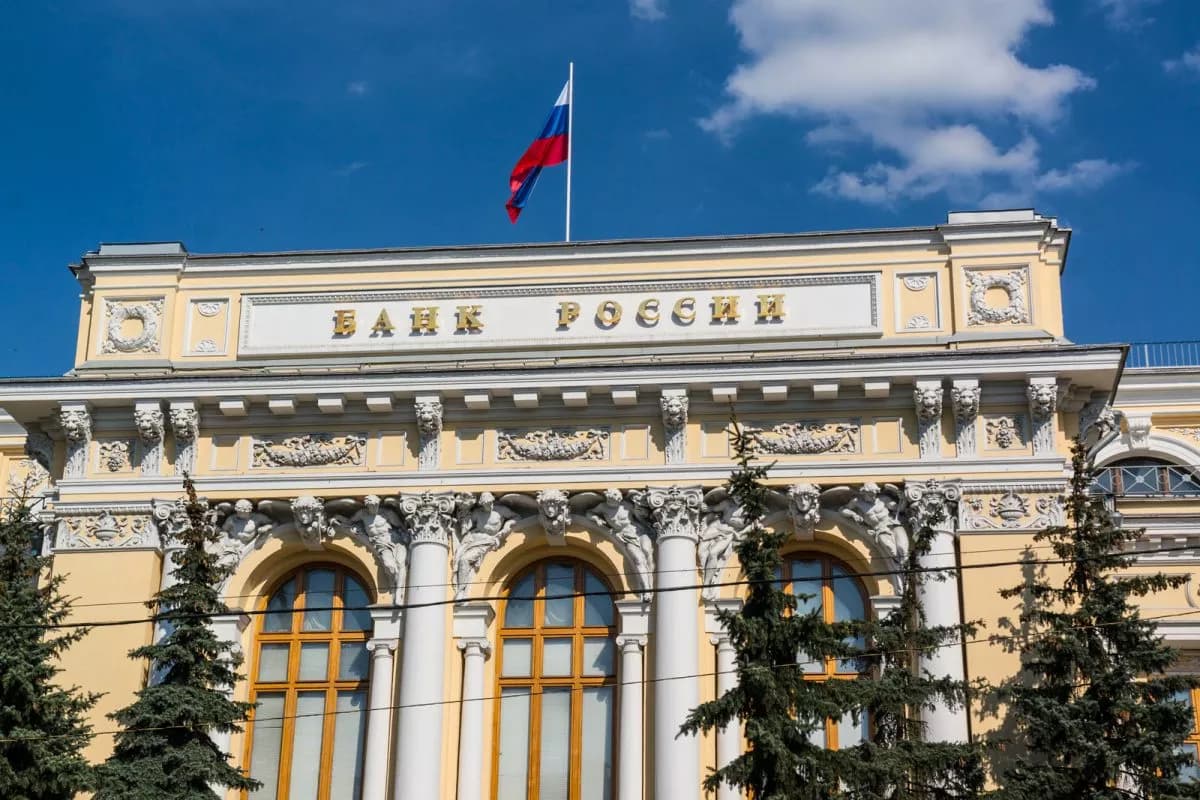
Russia’s central bank has signaled a significant, if carefully constrained, shift in its approach to cryptocurrencies. In a policy proposal released on December 23, the Bank of Russia outlined a framework that would allow Russian residents to access crypto assets under strict regulatory conditions, marking a departure from years of outright hostility toward the sector.
According to the proposal, both qualified and non-qualified investors would be permitted to acquire cryptocurrencies, but under sharply different rules. Retail participants would face the most limitations. The central bank proposes restricting non-qualified investors to a narrow list of liquid crypto assets, though it has not yet specified which tokens would qualify. In addition, these investors would be subject to an annual purchase cap of 300,000 rubles, roughly equivalent to $3,800, and would be required to pass a mandatory knowledge test before gaining access.
Qualified investors, by contrast, would enjoy significantly broader access. They would be allowed to trade most crypto assets, with the notable exception of privacy-focused coins, which the Bank of Russia continues to view as incompatible with regulatory oversight. Even so, qualified investors would not be exempt from scrutiny, as they too would be required to demonstrate an understanding of the risks involved through a formal testing process.
The proposal also acknowledges the reality that many Russians already interact with global crypto markets. Under the new framework, residents would be allowed to purchase cryptocurrencies on foreign platforms using overseas accounts. However, this access would come with reporting obligations, requiring investors to disclose relevant transactions to Russian tax authorities. The central bank has framed this requirement as essential to maintaining fiscal oversight while allowing limited participation in international markets.
Beyond individual investors, the Bank of Russia has suggested permitting digital financial assets to circulate and trade on public blockchain networks as a means of attracting foreign capital. This element of the proposal reflects a broader recalibration of policy, one shaped by Russia’s evolving economic circumstances rather than any newfound ideological support for decentralized finance.
Crucially, the central bank has been explicit that this move does not amount to an endorsement of cryptocurrencies. In its statement, the bank reiterated that it considers crypto assets to be high-risk instruments, emphasizing that they are not issued or guaranteed by any jurisdiction and remain exposed to extreme volatility and sanctions-related risks. To reinforce its regulatory stance, the bank plans to introduce penalties for unlicensed crypto intermediaries operating domestically, once the framework has been in place for a year.
The timeline is ambitious. The Bank of Russia has already submitted the proposed legislative changes to the government and aims to finalize the regulatory framework by July 1, 2026. If implemented, the policy would represent one of the most structured attempts by Moscow to balance control with limited openness.
This shift follows a series of pragmatic adjustments over the past year. After once advocating for a total ban on cryptocurrencies, the central bank has gradually softened its position amid mounting economic pressure from international sanctions. In October, it agreed to legalize crypto for foreign trade settlements and later approved a framework allowing commercial banks to engage in restricted crypto-related activities. Russia has also moved to formalize cryptocurrency mining, leveraging its energy surplus and recognizing mining as a legitimate export activity that contributes to the national economy.
Taken together, the proposal suggests that Russia is no longer asking whether crypto can be ignored, but how it can be contained, monitored, and selectively integrated into the financial system.