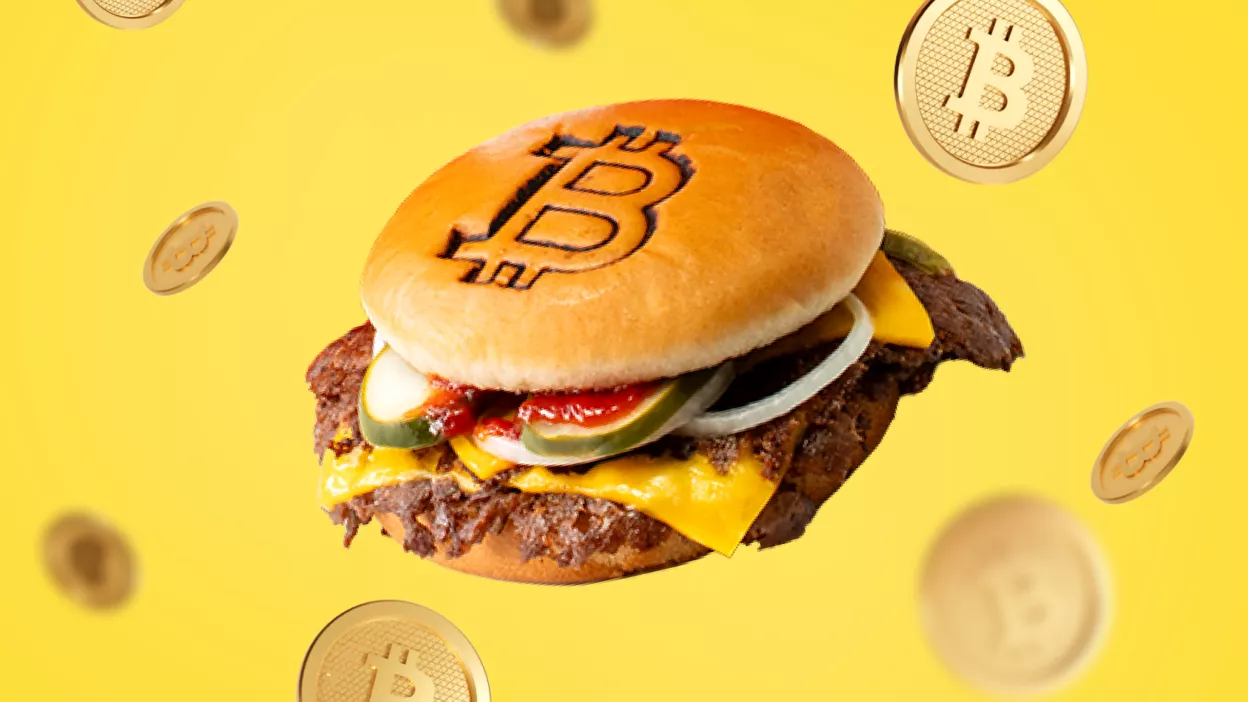
Steak ’n Shake Shows How Bitcoin Payments Can Become a Corporate Asset
Steak ’n Shake grows its Bitcoin reserve to $10 million, turning Lightning payments into a self-sustaining corporate treasury strategy.
Steak ’n Shake is no longer just experimenting with Bitcoin at the checkout counter. The American fast-food chain announced that its strategic Bitcoin reserve has grown by $10 million, a milestone achieved by reinvesting all customer Bitcoin payments directly into its corporate holdings. What began as a payments experiment has quietly evolved into a treasury strategy, placing the company among a small but growing group of consumer brands willing to treat Bitcoin as both infrastructure and asset.
The initiative traces back to May of last year, when Steak ’n Shake enabled Bitcoin payments across all US locations using the Lightning Network. Unlike limited pilots or single-store trials seen elsewhere, the rollout was nationwide from day one. The decision drew attention from the broader crypto community, including public support from Block CEO Jack Dorsey, and positioned the chain as one of the most visible examples of Bitcoin used at scale in everyday commerce.
According to the company, the impact has extended beyond headlines. Steak ’n Shake reported a 15 percent month-over-month increase in sales during the fourth quarter of 2025, attributing part of that momentum to the Bitcoin integration. In a statement shared publicly, the company described its approach as “a self-sustaining system,” arguing that higher same-store sales directly feed the growth of its strategic Bitcoin reserve. The framing is notable: Bitcoin is not treated as a speculative side bet, but as a mechanism embedded into daily operations.
This model sets Steak ’n Shake apart from corporations that simply allocate excess cash to digital assets. By building its reserve entirely from customer transactions, the company links consumer engagement to balance sheet expansion. Each Lightning payment simultaneously completes a sale and increases long-term Bitcoin exposure, creating a feedback loop that traditional payment rails do not offer. The company has also tied this strategy to broader operational goals, suggesting that improvements in food quality and customer experience help expand its reach while amplifying the Bitcoin flywheel.
The broader retail landscape helps explain why the move matters. While many merchants have flirted with crypto payments over the years, few have committed to nationwide adoption, citing volatility, technical complexity, or uncertain demand. Steak ’n Shake’s experience challenges those assumptions, showing that Bitcoin payments, when implemented with low fees and near-instant settlement, can coexist with high-volume, low-margin businesses.
Globally, similar signals are emerging. SPAR, one of the world’s largest retail franchises, has accepted Bitcoin at a supermarket in Zug, Switzerland, since early last year. In the travel sector, Emirates has announced plans to support Bitcoin and other digital assets for flights and services beginning this year. Yet most of these initiatives remain geographically limited or narrowly scoped, making Steak ’n Shake’s nationwide execution stand out.
The company’s growing Bitcoin reserve underscores a broader shift in how some consumer brands view digital assets. Rather than treating Bitcoin solely as an investment or a marketing gimmick, Steak ’n Shake is using it as both payment infrastructure and strategic reserve. In doing so, the chain is testing whether everyday commerce can serve as a steady on-ramp to corporate Bitcoin accumulation, one burger and one Lightning transaction at a time.