The Zen of Decentralization: Why Crypto Interface Design Abandoned the Matrix
Discover why crypto apps in 2026 have abandoned the "hacker" look for a minimalist, meditation-inspired aesthetic to build global trust.
Overview
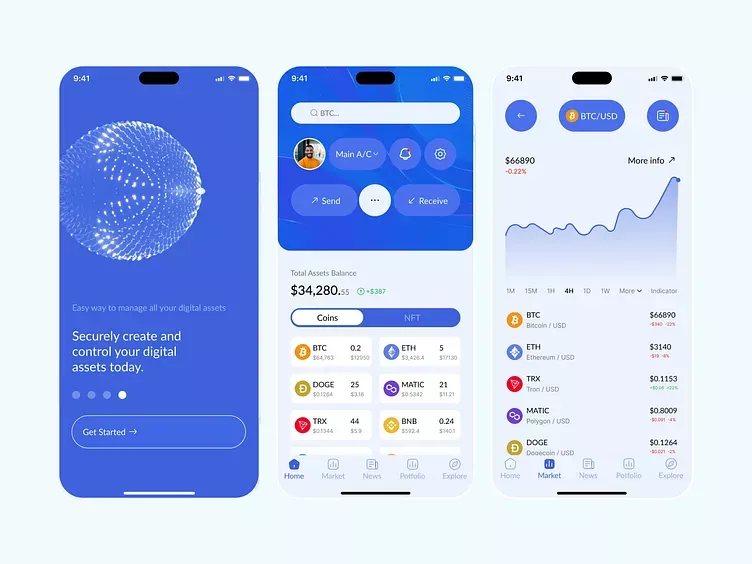
For over a decade, the aesthetic of the cryptocurrency world was defined by "hacker-chic"—glowing green text on black backgrounds, complex terminal commands, and a sense of digital elitism. In 2026, this "Matrix" era has officially collapsed. As blockchain technology moves from the fringes of cypherpunk culture to the center of global retirement funds, the industry has undergone a radical visual shift. Today, the leading crypto wallets and decentralized finance (DeFi) platforms look more like mindfulness apps than trading floors. This "Aesthetic of Trust" uses soft gradients, haptic feedback, and minimalist white space to signal a new message: the blockchain is no longer a place of chaos, but a sanctuary of security.
Explanation (In-Depth)
The psychological transition from "code as law" to "design as trust" is a calculated move to capture the next billion users.
Real-World Examples (Historical Context)
Advantages/Pros
Disadvantages/Cons
Market Sentiment
In 2026, the market rewards "invisible" technology. The sentiment among retail investors is that "if I can't explain it to my grandmother in 30 seconds, I won't use it." This has led to a survival-of-the-fittest in the app stores, where the most "peaceful" apps are capturing the highest Total Value Locked (TVL). The era of the "crypto-bro" aesthetic is dead; the era of the "sovereign minimalist" has arrived.
Conclusion
The "Aesthetic of Trust" is the final bridge between the technical revolution of the blockchain and the psychological needs of the human species. By trading the terminal for the temple, developers have realized that the true power of cryptography isn't in its complexity, but in its ability to fade into the background. In 2026, the most successful blockchain is the one you don't even realize you're using—it’s just a calm, digital reflection of your own financial sovereignty.
- Biometric Integration:In 2026, the terrifying "seed phrase" (24 random words) has been hidden behind biometric "Passkeys." The visual interface now focuses on the human face or fingerprint, creating an emotional link between the person and their digital assets.
- Cognitive Load Reduction:Early DeFi platforms bombarded users with "gas fees," "slippage," and "nonce" values. Modern design principles prioritize "Intents," where the user simply states an outcome (e.g., "I want $500 in gold"), and the interface hides the complex cryptographic routing behind a clean, zen-like progress bar.
- Color Psychology:The aggressive reds and neon greens of the early 2020s have been replaced by "calm tech" palettes—soft lavenders, sky blues, and "sand" textures. These colors are scientifically chosen to lower cortisol levels, reducing the anxiety of managing volatile assets.
- The Uniswap V4 Era:The shift began when major decentralized exchanges moved away from "Order Books" (which look like spreadsheets) to "Swaps," where a simple circular animation represents the exchange of value.
- Solana Mobile (Saga):This device was a pioneer in treating the "Seed Vault" as a sacred, quiet space within the phone's hardware, using haptic "pings" to confirm transactions that feel more like a meditation bell than a computer beep.
- Worldcoin's "Orb" Aesthetic:By using high-end industrial design and a minimalist app interface, the project attempted to normalize iris scanning by making the technology feel "heavenly" and clean rather than dystopian.
- Mass Adoption:Lowering the barrier of "visual fear" allows non-technical users to feel confident managing their own wealth.
- Reduced Human Error:A calm user is less likely to make a "fat-finger" mistake or fall for a high-pressure phishing scam.
- Brand Legitimacy:Professional, minimalist design aligns crypto platforms with the aesthetic standards of Apple, Stripe, and modern fintech, bridging the credibility gap.
- The "Hidden Danger" Paradox:By making crypto feel "too easy," users might forget that they are still their own bank and that there is no "undo" button for a confirmed transaction.
- Loss of Identity:Critics argue that the sterilization of crypto design erases the rebellious, punk-rock history of the movement, making it indistinguishable from traditional banking.
- Deceptive Simplicity:A beautiful interface can hide a predatory protocol. Just because an app looks like a meditation tool doesn't mean the underlying financial risk has disappeared.