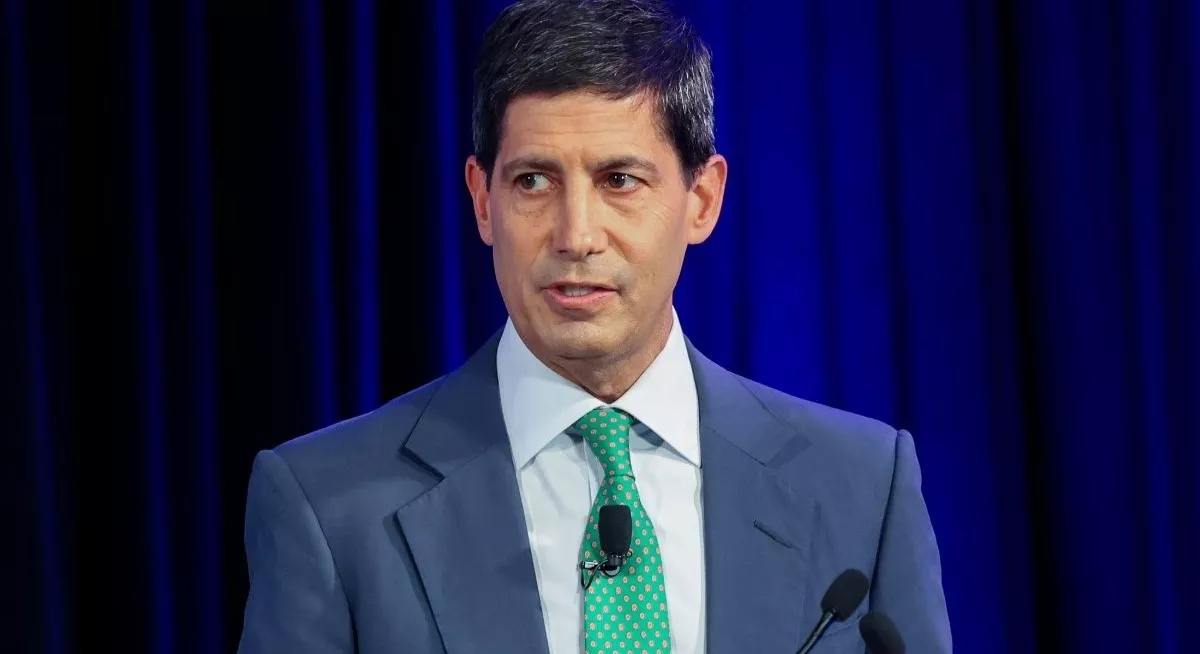
Trump Selects Kevin Warsh for Federal Reserve Chair in Move That Shakes Markets and Crypto Circles
Trump nominates Kevin Warsh as Fed Chair, blending hawkish monetary views with a crypto-friendly outlook as markets respond swiftly.
In a development that sent ripples through financial markets and the cryptocurrency sector, U.S. President Donald Trump has nominated Kevin Warsh to serve as the next Chair of the Federal Reserve, a choice that blends traditional monetary rigor with an unusually open stance toward digital assets. The nomination, announced via Trump’s social media platform, marks a potentially transformative moment for U.S. monetary policy and regulatory attitudes toward cryptocurrencies.
Warsh, 55, is no stranger to central banking. He spent five years as a member of the Federal Reserve’s Board of Governors from 2006 to 2011, a period that included the tumultuous financial crisis of 2008. His experience during that era, when policymakers grappled with systemic collapse and unprecedented interventions, has defined much of his approach to macroeconomic stability. Trump underscored Warsh’s credentials in his announcement, highlighting both his academic pedigree and his years navigating complex economic terrain.
Before his tenure at the Fed, Warsh built his early career in investment banking at Morgan Stanley and served in the George W. Bush administration. He holds degrees from Stanford University and a law degree from Harvard, credentials that reflect a strong foundation in both analytical rigor and institutional leadership. Today, he is a fellow at the Hoover Institution, a widely respected public policy think tank, and a lecturer at Stanford Graduate School of Business, where he continues to influence future leaders and policymakers.
The nomination must still be confirmed by the U.S. Senate, a process expected to draw intense scrutiny from lawmakers wary of the Federal Reserve’s independence and the broader implications of Trump’s choice. Confirmation hearings could be contentious, particularly given Warsh’s reputation for monetary strictness and the polarized political climate surrounding central bank policy.
Known for his hawkish views on inflation and interest rate policy, Warsh has been critical of what he sees as excessive reliance on ultra-loose monetary stimulus and expansive asset purchase programs in the past. His critics argue that such policies risk long-term inflationary pressures and distort financial markets. Yet what makes Warsh’s candidacy especially noteworthy is his relatively constructive tone toward cryptocurrencies, a departure from the more cautious or skeptical positions often associated with traditional monetary policymakers.
In discussions at the Hoover Institution, Warsh has suggested that Bitcoin and other digital assets might serve as a form of market discipline rather than an inherent threat to financial stability. This perspective has captured the attention of the crypto community, which has long sought clarity and regulatory frameworks that recognize the sector’s innovation while managing risk. Investors and analysts are already parsing his public statements for clues about how digital assets might be treated under his leadership.
Market reactions to the nomination were swift. Major equity indices and risk-oriented assets experienced short-term volatility as traders adjusted their expectations for interest rate trajectories and monetary conditions. Some investors are pricing in the likelihood of tighter monetary policy under Warsh, anticipating a focus on balance sheet reduction and controlled increases in rates. Others are evaluating how his expressed openness to digital assets might influence the evolving regulatory landscape for cryptocurrencies, especially Bitcoin, which has seen heightened price swings in response to the news.
Warsh’s potential leadership at the Federal Reserve highlights the growing intersection between traditional economic governance and emerging financial technologies. If confirmed, he would face the delicate task of balancing inflation control and economic stability with market expectations that include a burgeoning digital asset ecosystem. His tenure could set a new precedent for how the Federal Reserve engages with innovations in finance and how regulatory frameworks adapt to the challenges of a rapidly changing global economy.