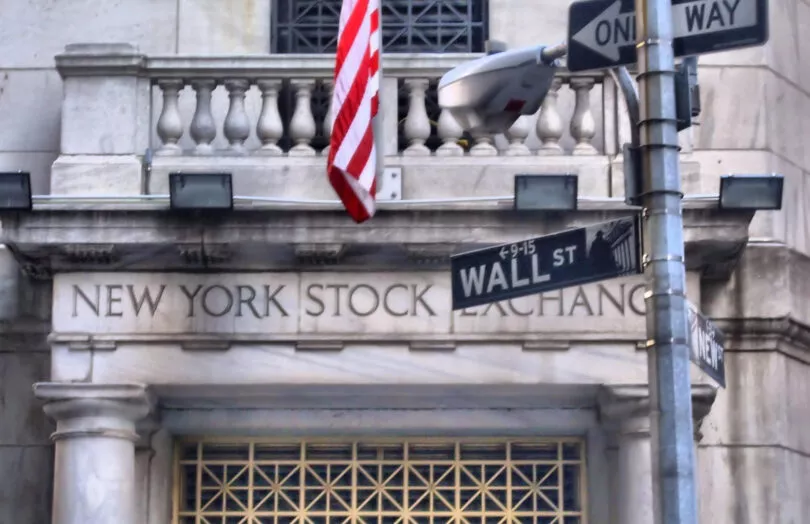
Wall Street Prepares for a 24/7 Era as the NYSE Moves Stock Trading On-Chain
The NYSE plans a new on-chain platform for tokenized U.S. stocks, enabling 24/7 trading, instant settlement, and fractional share access.
The New York Stock Exchange is preparing a structural shift that could redefine how U.S. equities are traded, settled, and accessed worldwide. The exchange has announced plans to develop a new digital venue for tokenized securities, enabling round-the-clock trading and on-chain settlement for U.S.-listed stocks and exchange-traded funds, pending regulatory approval.
At the core of the initiative is a platform designed to merge traditional market infrastructure with blockchain-based settlement. According to details shared by the exchange, the system will allow investors to trade fractional shares, place orders denominated in dollars rather than share counts, and settle transactions immediately using tokenized capital and stablecoin-based funding. The model mirrors the always-on mechanics of crypto markets while retaining the regulatory framework of U.S. equities.
The platform will combine the NYSE’s Pillar matching engine with post-trade systems built on blockchain technology, capable of supporting multiple chains for settlement and custody. The exchange described the project as the foundation for a new NYSE venue dedicated specifically to digital securities, signaling that tokenization is moving from experimentation into core market infrastructure.
If approved, the venue would support both tokenized representations of traditionally issued shares and natively issued digital securities. Crucially, the NYSE said tokenized shareholders would retain the same dividend and governance rights as conventional investors, with access provided to qualified broker-dealers on a non-discriminatory basis. Lynn Martin, president of NYSE Group, said the exchange is “leading the industry toward fully on-chain solutions,” emphasizing that the initiative is intended to combine regulatory rigor with next-generation technology.
The effort is part of a broader digital strategy at Intercontinental Exchange, the NYSE’s parent company. ICE has confirmed that it is preparing its clearing infrastructure to operate 24 hours a day, seven days a week, and is working with major banks including BNY and Citi to enable tokenized deposits across its clearinghouses. This would allow clearing members to move funds and meet margin requirements outside traditional banking hours, addressing one of the key frictions in extending trading beyond standard market sessions.
Michael Blaugrund, ICE’s vice president of strategic initiatives, described tokenized securities as a pivotal step toward fully on-chain market infrastructure spanning trading, settlement, custody, and capital formation. Recent moves by BNY to activate tokenized deposits, allowing near real-time value transfer on blockchain networks within a regulated banking framework, underscore how quickly institutional support is coalescing around the model.
The NYSE’s entry comes as tokenized equities gain momentum elsewhere. Platforms such as Kraken, Ondo Finance, BitMEX, eToro and Robinhood have already demonstrated demand for 24/7 exposure to U.S. stocks, particularly among global and retail investors. What differentiates the NYSE is scale: deeper liquidity, established surveillance mechanisms, and the credibility of the world’s most recognized stock exchange.
On-chain data highlights how fast the sector is expanding. The market capitalization of tokenized stocks has risen 16% over the past 30 days, surpassing $800 million, a dramatic increase from roughly $16 million a year earlier. With the broader tokenized asset market nearing $20 billion by the end of 2025, the NYSE’s move suggests that tokenization is no longer a peripheral innovation, but an emerging pillar of modern financial markets.