Washington Steps In as Banks and Crypto Giants Clash Over the Future of US Digital Asset Rules
The White House plans talks with banks and crypto firms after Coinbase pulled support for a key bill, exposing deep rifts over digital asset rules.
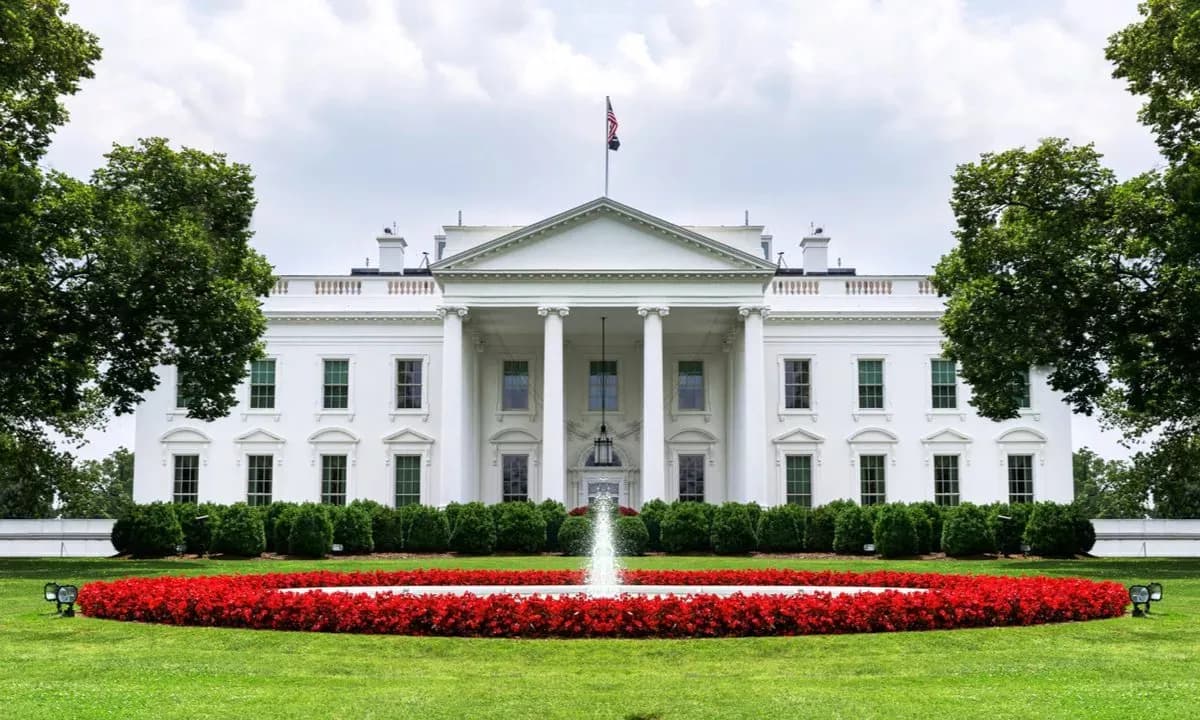
The White House is preparing to convene senior figures from the banking and cryptocurrency industries in an effort to defuse mounting tensions over a sweeping bill that could redefine how digital assets are regulated in the United States. Executives and lobbying groups from both sides are expected to meet early next week, as disagreements over the proposed legislation threaten to derail months of negotiations.
The meeting follows a sharp escalation in the debate after Coinbase chief executive Brian Armstrong publicly withdrew his support for a key draft of the long-anticipated crypto market structure bill. His decision exposed deep fractures between traditional financial institutions and crypto-native firms, particularly over provisions that would restrict how exchanges can reward customers for holding digital assets.
Despite nearly two weeks of behind-the-scenes talks since Coinbase’s reversal, no compromise has yet emerged. People familiar with the discussions say the lack of consensus has raised the possibility that the White House meeting could be postponed if negotiators fail to narrow their differences. A representative from Coinbase is expected to attend, though neither the company nor the White House has commented publicly on the plans.
Coinbase’s move in mid-January had immediate legislative consequences. Shortly after Armstrong announced the company was pulling its backing, Senate Banking Committee Chairman Tim Scott postponed the committee’s planned markup of the bill, offering no revised timeline. In parallel, the Senate Agriculture Committee is moving ahead with its own version of the legislation, with debate and potential amendments scheduled this week, highlighting the fragmented path the proposal now faces in Congress.
At the center of the dispute is language pushed by bank lobbyists that would limit crypto exchanges’ ability to offer rewards linked to customer token holdings. Banks argue that such incentives resemble interest-bearing products and risk drawing deposits away from regulated institutions. Crypto firms counter that they are simply providing more competitive options for consumers, framing the issue as one of choice rather than systemic risk.
The Blockchain Association, a leading digital-asset advocacy group, welcomed the White House’s involvement, praising the administration for bringing “stakeholders from both sides of the table” together to seek common ground, particularly on the contentious issue of stablecoin-related rewards. The statement underscored the industry’s desire for clarity, even as internal divisions complicate that goal.
The political backdrop adds another layer of complexity. A crypto-focused political action committee, Fairshake, disclosed this week that it is sitting on more than $193 million in cash ahead of the midterm elections, fueled by major contributions from Coinbase, Ripple, and venture capital firm a16z. The group said the funds would be used to oppose what it described as “anti-crypto politicians,” a reminder of the sector’s growing influence in Washington.
That influence was already on display in a social media post Armstrong shared hours before withdrawing support for the bill. He warned that an advocacy group originally launched by Coinbase would be “scoring” the Senate markup, framing the vote as a choice between protecting bank profits and preserving consumer rewards.
As lawmakers, regulators, and industry leaders head toward the White House table, the stakes extend beyond a single provision. The outcome will shape how power is balanced between banks and crypto platforms, and whether Washington can craft a regulatory framework that accommodates innovation without alienating either side of an increasingly influential financial sector.