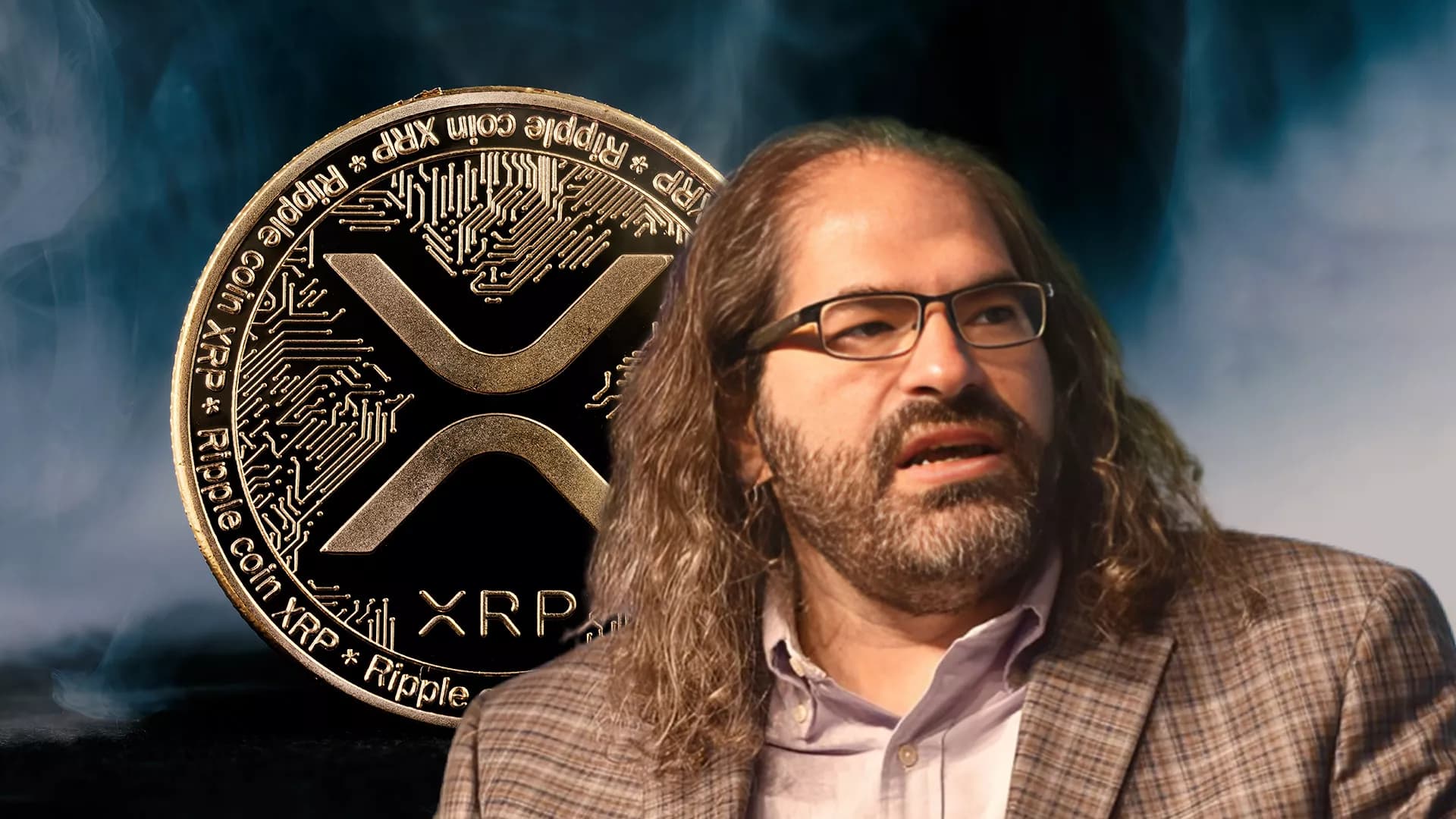
XRP’s Design Leaves No Room for Reversal as Ripple’s Former CTO Shuts Down Clawback Speculation
David Schwartz confirms XRP has no issuer, meaning stolen funds cannot be clawed back despite new XRPL amendments.
A fresh wave of NFT-related fraud on the XRP Ledger has reignited a long-standing debate within the crypto community: can stolen XRP ever be clawed back? According tospan>David Schwartz/span>, the answer remains unequivocal. XRP has no issuer, and without an issuer, there is no authority capable of freezing, reversing, or reclaiming stolen funds.
The clarification followed reports that a major liquidity provider wallet was drained in what has been described as an “LP Reward Voucher” NFT scam. Community members initially questioned whether the XRP Ledger’s clawback functionality, activated in 2024, could be used to retrieve the stolen assets. Schwartz, who previously served as chief technology officer atspan>Ripple/span> and now holds the title of CTO emeritus, responded directly to those suggestions.
“Only the issuer of a specific asset can claw it back,” Schwartz explained, reiterating a principle he has defended for years. XRP, as the native asset of thespan>XRP Ledger/span>, has no issuing entity. Unlike tokens or stablecoins created on the ledger, it is not issued or redeemed by any individual or organization. That structural distinction means no central party exists with the authority to intervene once funds are transferred.
The debate reflects broader confusion around amendments introduced to the XRP Ledger in recent years. In February 2024, the community activated the Clawback amendment, enabling issuers of tokens to reclaim funds from trust lines under specific conditions, such as fraud or compliance breaches. In January 2025, the AMMClawback amendment extended compatibility to automated market makers for tokens with clawback enabled. However, both features apply strictly to issued assets. XRP itself falls outside their scope.
Schwartz has consistently underscored this difference. In past discussions, including after individual investors reported losing tens of thousands of XRP to scams, he emphasized that no person or company issues XRP and that users do not rely on trust in a central authority to transact with it. That design, often cited as a core strength of the asset, also eliminates any possibility of administrative reversals.
The current controversy stems from a scam exploiting the ledger’s NFT broker mode. Fraudsters send unsolicited NFT sell offers disguised as reward vouchers. Victims, believing they are claiming incentives, accept transactions that are pre-configured to transfer valuable tokens in exchange for essentially worthless NFTs. Once confirmed on-chain, the transaction executes exactly as written, leaving no technical pathway for reversal.
A high-profile hack in early 2024 reinforced the same reality. Even after amendments expanding clawback functionality were implemented, stolen XRP could not be retrieved because the asset’s architecture does not permit issuer intervention. Control of the compromised wallets remained solely with the attacker.
For some investors, the inability to freeze or reverse stolen XRP is unsettling. For others, it is the logical consequence of a decentralized system designed to minimize centralized control. The episode underscores a fundamental tension in blockchain governance: immutability protects against arbitrary seizure, but it also leaves victims with little recourse when fraud occurs.
As scams grow more sophisticated, the burden increasingly falls on user vigilance rather than protocol intervention. In the case of XRP, its issuer-less design is not a loophole or oversight. It is a defining feature—one that ensures neutrality, but demands caution in equal measure.